 lochsh
Goidé mar a deirtear "frog" i nGaedhilg?
Wed 11 February 2026
Cuairteoir gan iarraidh: an uninvited guest
Two months ago I was sitting on the sofa cuddling my cat when, out of the corner of my eye, I seen something small and dark hop into the room through the open doorway. I knew I'd seen a frog, but my brain was yet to accept this unlikelihood. I turned my head to see the dark shape on the floor, still now. Then it hopped again: there was a frog in the house! The wee lad was massive as well, or such was my perception, faced with the intrusion as I was.
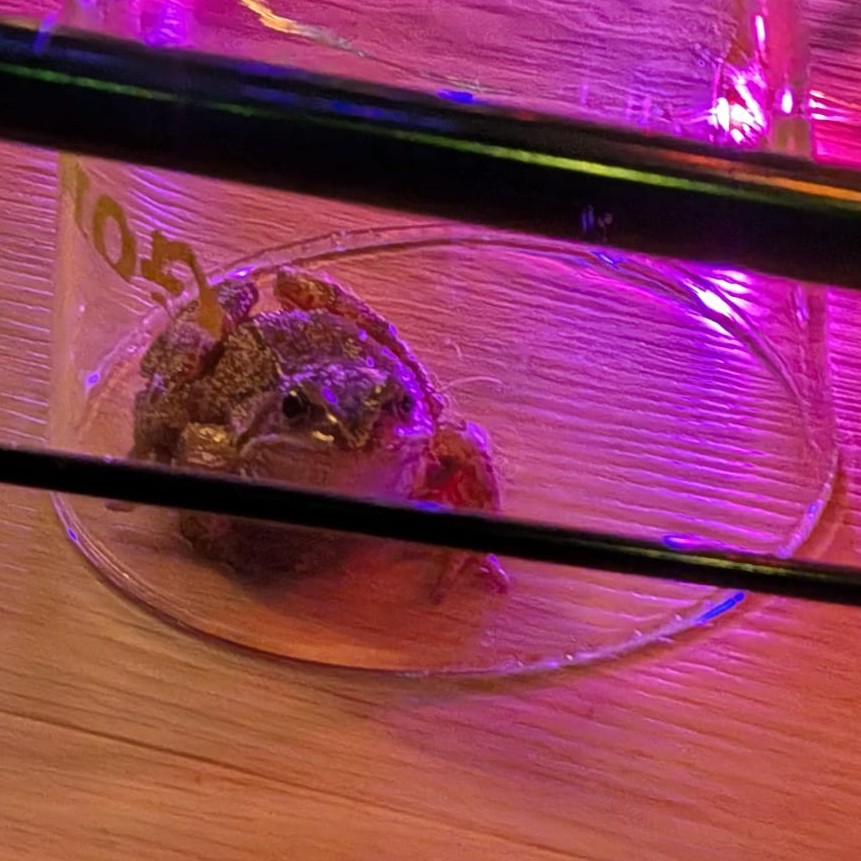
We transferred him safely outside. Before he leapt away into the darkness, our eyes met, and I understood the task he had bequeathed me: I knew I must find all the Gaelic words for frog.
A map of words for frogs across the Gaelic world
Above is a map showing attested words used by local people for "frog". Zooming
out will reveal datapoints in Nova Scotia. The main
sources are:
-
Wagner, H. (1958-1969), Linguistic Atlas and Survey of Irish Dialects (LASID), Dublin Institute of Advanced Studies
-
Digital Archive of Scottish Gaelic (DASG). University of Glasgow <dasg.ac.uk>
-
The Schools' Collection, National Folklore Collection, University College Dublin <duchas.ie>
-
Tobar an Dualchais <tobarandualchais.co.uk>, Sabhal Mòr Ostaig
-
Dòrlach's fieldwork, kindly shared by Àdhamh Ó Broin <dorlach.scot>
The markers can be filtered by source and by word category using the checkboxes below the map. Clustering can also be enabled or disabled. When disabled, the remaining clusters are co-ordinates for which there is more than one data point.
The GeoJSON file containing the data can be downloaded here, licensed under CC BY-NC-SA 4.0.
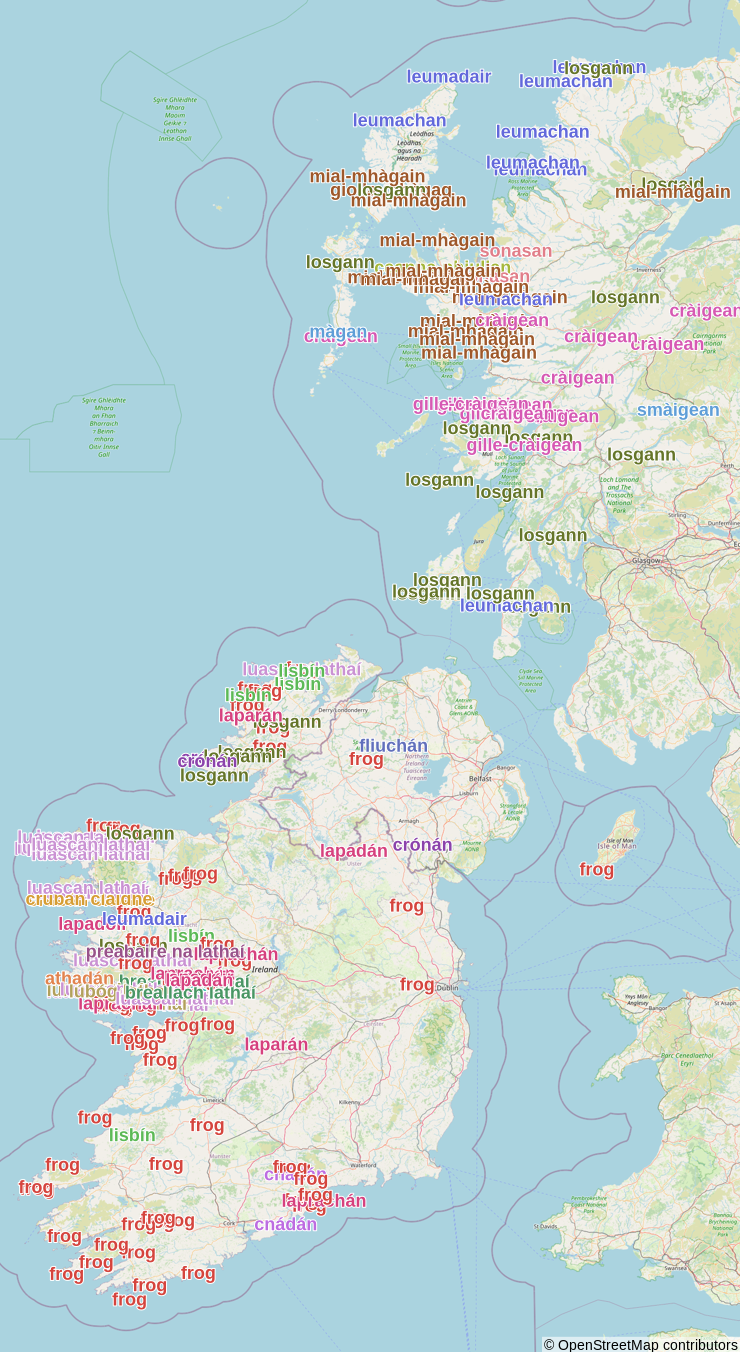
The goal with the words included in the map is to have traceable examples of local native speakers using each word. I am keen to not allow this goal to unnecessarily exclude areas where the local language died. Where a dictionary is the only source of a word, I have not included it, but will often mention it in the text below. For some words, there are enough secondary sources that it feels right to include it on the map. These secondary sources are often from non-native speakers who were experts in a particular area's language, but which don't name a specific speaker and only refer to a broad area. There is some judgement involved in what to include and what to exclude, and I hope my reasoning is made clear both in the details of each datapoint, and in the writing below.
Click for more information about the sources and data
Resources like the LASID and DASG are based on fieldwork designed to record the words local people used in everyday speech. Materials in Ireland's National Folklore Collection, and those used from Tobar an Dualchais, are largely recordings of storytelling or other lore. Storytelling, particularly for a recording audience, can be in a higher register than every day speech1. This is not to say that words taken from these resources lack authenticity, just that their context differs from that of words taken from conversation- and questionnaire-based linguistic fieldwork.
Other sources are from books and newspaper articles, where the author was either a native speaker of the local language, or was reporting on the local language.
For sources like The Schools' Collection in Ireland's National Folklore Collection, the linguistic background of the informants is not made explicit as in sources like the LASID. If I ever have reason to believe the informant might not be a native speaker or be a native speaker from somewhere else, I have included a note. I have not included all examples of frog from The Schools' Collection as there are so many!
I do not intend for the datapoints to indicate that frogs were exclusively called a particular word in a place, or that a word was exclusively used for frogs (e.g. leumachan is here recorded as being used for some beach insect or crusteacean). Many of the words recorded might have been supplementary to others. Additionally, much of the data is from the mid 20th century and as such may not reflect current local vocabulary. Indeed, the local language has sadly died in many of the places included. I hope that my work here can celebrate dialectal diversity, preserve the existence of lost words, and provide a fun way to engage with linguistic heritage.
Toads
Some of the words provided are cited as meaning "toad" by other sources. Not everyone has a clear linguistic distinction between "frog" (for me, frogs have shiny skin and jump) and "toad" (for me, toads have dry knobbly skin and crawl)2. Not everyone's distinction will be the same, especially across languages. Some of the words found here describe a creature as a crawler, which certainly evokes toads for me. If you see a word cited as meaning "frog" that for you means "toad", please bear inter-speaker and geographic variation in mind, as well as the way words can evolve over time.Although words specifically used for toads are also of interest, I have limited the scope of this project to words used for frogs.
Phonetic transcription
The LASID transcriptions are shown with narrow phonetic transcription brackets e.g. [Lɪːsḳɑːn´]. This is in accordance with the source material's explicit description of the transcriptions as phonetic. The narrowness of the transcriptions varies a little; all fieldworkers seem to aim to be very narrow in terms of vowel notation, with a detailed vowel chart with many labelled points provided. A spectrum of consonant palatalisation is allowed for in the notation, and various non-phonemic fortis/lenis consonant contrasts, alongside the phonemic ones. However, some details seem to be inconsistently recorded, like lack of aspiration on plosives (always shown on Scottish transcriptions, but only sometimes shown on e.g. /sk/ sequences, where I'd consistently expect an unaspirated /k/), and velar and palatal off-glides (seemingly only sometimes shown, but often missing from places I would expect to hear them, e.g. in Conamara speaker's pronunciation of the language's endonym). Devoicing of consonants seems rarely recorded. It's not clear that there's any provision for recording approximant realisations of slender r. Around Gaoth Dobhair I have certainly heard something like [j] for /r'/, which possibly is recorded in the LASID as /r′′/ to indicate "strong palatalisation".I have added my own IPA transcriptions to "translate" the LASID symbols. I am not providing these because I think they're an improvement; on the contrary, they're much more annoying to read. I hope that they can be useful to people with knowledge of the IPA but without knowledge of common Gaelic transcription conventions. They should be read with the understanding of the apparent limitations of the source transcription described above.
Guide to suffixes
Descriptions largely taken from Wiktionary.
- Irish -án, Scottish -an,
Manx -an or -ane
- lochán, lochan, loghan. "pond, pool, small lake" (diminutive of loch)
- grianán, grianan, grianane. "sunny spot" (from the word meaning "sun" + suffix)
- A suffix used to derive instruments, diminutives, and other nouns from primary nouns.
- Irish -adóir, Scottish
-adair, Manx -der
- bréagadóir, breugadair, breageyder. "liar"
- Suffix appended to words to create an agent noun, indicating a person who does (or a thing that does) something
- Irish -ach, Scottish -ach,
Manx -agh
- Éireannach, Èireannach, Erinagh. "Irish person" (noun)
- Forms nouns from other nouns and adjectives with the sense of ‘person or thing connected or involved with, belonging to, having’.
- Irish -aire, Scottish
-aire, Manx -eyr
- iascaire, iasgair, eeasteyr. "Fisherman" (from the word meaning "fish" plus suffix)
- Forming nouns from nouns and adjectives with the sense of ‘person or thing connected or involved with, belonging to, having’
- Irish -anna, Scottish -an,
Manx -yn
- bláthanna, blàthan, blaaghyn. "flowers"
- Pluralises some nouns
Thoughts on each word
Frog: taboo-avoidance?
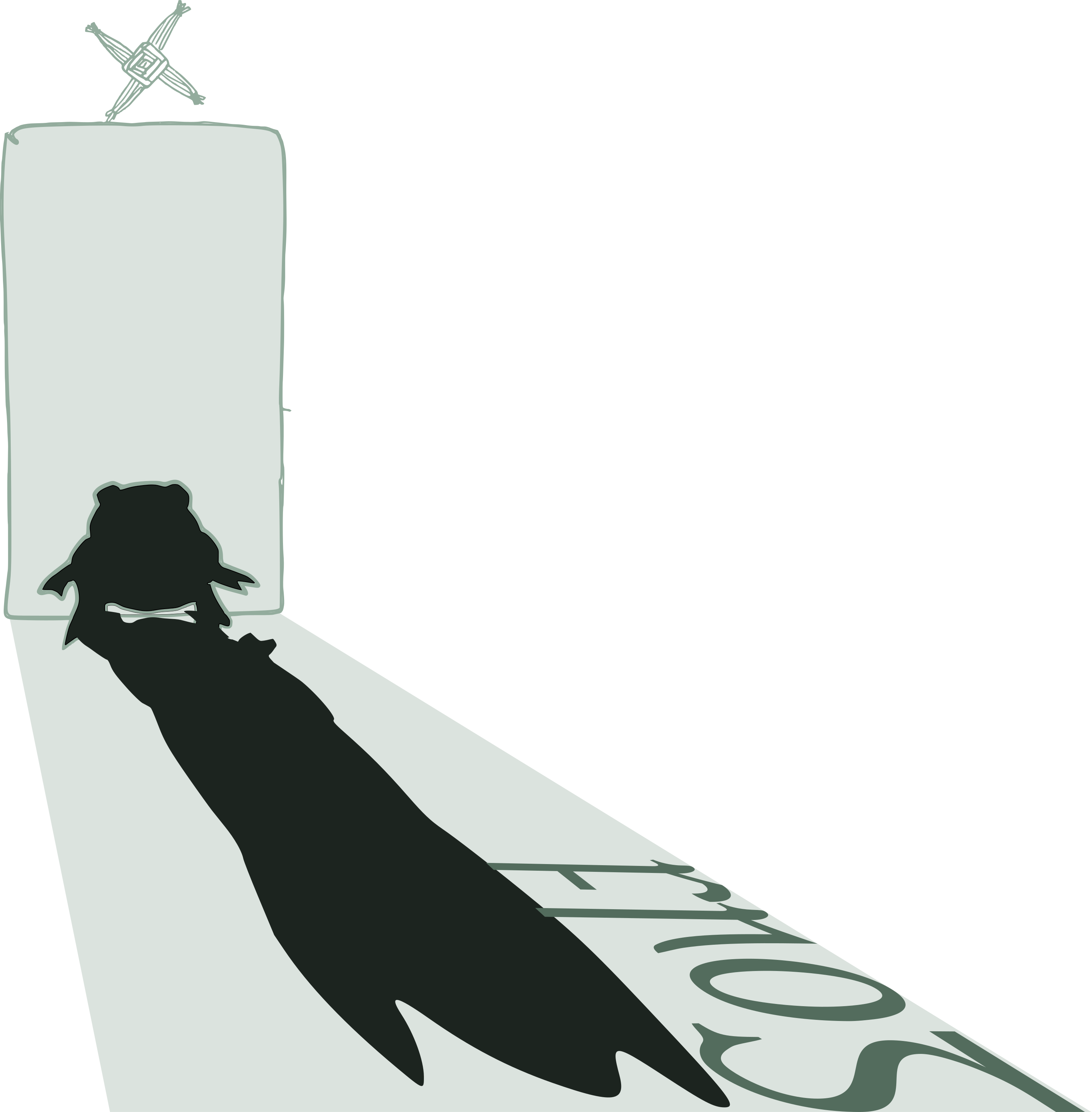
I found this in places all over Ireland, but not at all in Scotland3. Of the 49 LASID locations in Ireland that gave a response for "frog", 34 gave a variation on this word. Anecdotally it is the most common word used in Irish today. It is the only word I found native attestations of on The Isle of Man.
Could the usage of a foreign loan word, from English, be due to a taboo, where it was feared saying the true name of the creatures would summon them? Christopher Lewin, a Manx scholar, kindly corresponded with me about Manx words for frogs, and he suggested the possibility of this taboo.
My teacher Dubhán Ó Longáin pointed out the belief that frogs entering the home is an omen of death, which would support this taboo idea. Ireland's National Folklore Collection would seem to support this as a widely held belief, if not universal: a sample of 52 "frog omens" (exclusively frogs entering the house or crossing your path on the road) showed only 8 that signalled good luck, and 2 that signalled marriage or childbirth; the remaining 80% signalled death or bad luck4.
It's of course quite possible that an English loan came to replace a native word through language contact, without any word-specific pressure, but I don't know of any other name for an animal that has changed in this way. Some force must have caused a shift — that is, unless "frog" was actually the first word many Gaels heard used for the creatures.
I learnt during this research that it is a common belief that frogs are not native to Ireland. Several 17th century texts attribute this to "the graces of our patron Saint Patrick" (Ó Maonaigh, 1952) or to some mystical quality of the island. From de Rochefort (1779):
It is a peculiarity in this island that there are no venomous animals, not even frogs, toads, lizards, spiders, nor any other kind, which is a mark of the purity and goodness of its air. Some persons have tried the experiment whether any creatures of this sort brought from other places would live here, but it is a certainty that they die as soon as they arrive in the country; and farther it is said, that the touch of a native of Ireland proves mortal to any of these animals in any foreign country whatsoever, and that a circle being made about any venomous creature with a stick which grew in this island, the animal will instantly die.
The frog's arrival in Ireland is variously attributed to the Anglo-Norman invasion of the 12th century, or to students of Trinity College of the 17th century5, or to William of Orange6, or some unknown 18th century introducer in County Down7. An account from Gerard of Wales of a frog being found in Waterford sometime in the 1170s or 1180s8 speaks of fascination and consternation when the creature is presented at court9:
[...] a frog was found, within my time, in the grassy meadows near Waterford, and brought to court alive before Robert Poer, who was at that time warden there, and many others, both English and Irish. And when numbers of both nations, and particularly the Irish, had beheld it with great astonishment, at last Duvenold10, 58th King of Ossory, a man of sense among his people, and faithful, who happened to be present, beating his head, and having deep grief at heart, spoke thus:—
“That reptile is the bearer of doleful news to Ireland.”
And uttering a sort of prognostic, he further said, that it portended, without doubt, the coming of the English, their threatened conquest, and the subjugation of his own nation.
If frogs were indeed brought to Ireland along with colonisation, perhaps the word "frog" came with them. Even if frogs had long been native to Ireland, but in isolated populations or select parts such that many Irish people did not come into contact with them and thus did not have a word for them, it is conceivable that "frog" did not replace a native word, but was the first name many people heard applied to the creature.
While it's likely the Anglo-Norman elite would have called the creatures raine, it is conceivable many of the footsoldiers would have spoken Middle English and called the creatures frogge.
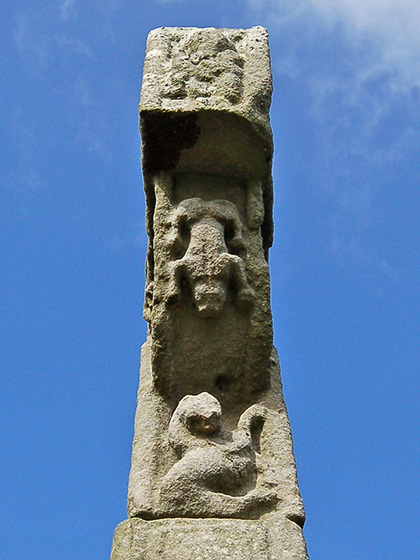
The idea of much of Ireland having no word for frog that predates Middle English is not especially attractive to me. Returning to our first idea, of taboo: Gerard of Wales' account above certainly gives an early example of frogs being treated as a bad omen. Dubourdieu (1802) conveys similarly fearful local attitudes in county Down:
[...] there are many stories still current of the terror and surprise excited by the view of this disgusting though innocent animal, which seems formed to be the prey of every voracious creature, either by land or water, within whose reach it comes.
It is tempting to make the conjecture that the complete lack of usage of frog in Scotland is because they are not a bad omen there, thereby supporting the idea that the word is used as a taboo substitute in Ireland, where there is evidence of negative superstition. This is not something I am able to substantiate. The Calum Maclean Project provides digital access to over 13 000 manuscript pages of Gaelic folklore collected across Scotland's Highlands and Islands — no particular lore about frogs is available, only an amusing story about a Uist man seeing one for the first time and thinking it was a fairy. Could the lack of discussion of frogs implicitly suggest that there was not much lore to record about them, and hence no negative associations? Perhaps; but Scotland has plenty of descriptive words for frogs that could easily be taboo substitutes themselves. Similarly the only lore I've been able to find about frogs on The Isle of Man, where frog was used, is the seemingly pan-Gaelic belief that licking a frog might cure you of many ailments (Clague, 1911)11.
The truth will remain ambiguous, but personally, I find the idea of "frog" being used euphemistically quite compelling. One of the words explored below, lisbín, could be explained by taboo deformation from losgann. Various phonetically intermediate forms are attested, supporting the idea of it being akin to a "minced oath". Perhaps losgann was the taboo word everyone was trying to avoid. ↩
Losgann: the peat bog's answer to mythical fire beasts?
I found this across some of Ireland and Scotland, especially in Argyll. Only three LASID returns gave this word, two of which were in Argyll, and one in Mayo. Three of the four instances in the Schools' Collection are in Donegal.
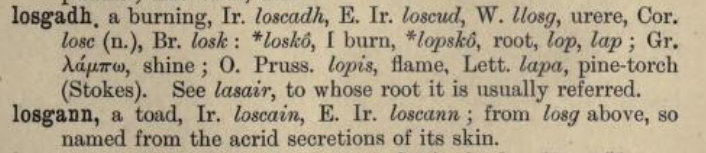
MacBain (1911) suggests that this word is related to loisc meaning to burn12, referring to the sting from touching the secretions of the frog's skin.
However...I don't believe touching a common frog causes any stinging sensation, does it? Toads do secrete a bufotoxin, which can cause an allergic reaction on contact, but is mostly dangerous when ingested.
I have a perhaps more compelling idea: The Electronic Dictionary of the Irish Language entry for loscann directed me to O'Clery's Irish Glossary from 1643:

The notes say the salamander is called loisgionn "because it is burnt"; salamanders are known to nest in firewood, and in mythology are associated with fire. Dinneen (1904) also lists "salamander" as a possible translation of loisceann. The 14th century manuscript Leabhar Méig Shamhradháin (McKenna, 1947) seems to use losguinn to refer to a dragon13.
Is the humble frog the peat bog's answer to mythical fire beasts of old? It would seem plausible that losgann evolved from referring to dragons and salamanders to the closest creature Ireland has to offer: the frog (though arguably the newt is a more obvious descendant).
An alternative hypothesis stems from the discovery that the word "salamander" has historically been used for crickets and grasshoppers14. Crickets are attracted to warmth, and historically have been associated with the hearth. Could the evolution instead be (association with fire) -> crickets -> (association with jumping) -> frogs?15
An etymology related to the frog's jumping would certainly be less unusual than one directly related to salamanders and dragons. Marstrander (1908) explores possibilities for the etymology of losgann and divides Indo-European languages' words for frogs and toads into categories, named for their:
- croaking (Latin rana, Latvian var̂de)
- skin (shiny for frogs, bumpy for toads) (Sanskrit maṇḍū́ka is given as being from root maṇḍá meaning scum or cream. Not the most convincing...)
- distinctive hands (French crapaud for toad)
- way of moving (jumping for frogs, crawling for toads)
Marstrander complains that a proposed etymology for losgann to do with burning seems unlikely due to its uniqueness among other Indo-European language's words for frogs. Perhaps the missing piece he needed was the crickets.
losgann lathaighe, luascán lathaighe, loscán laithighe, ⁊c.
An enjoyable variant of this word, that I found primarily in Mayo and Galway, is losgann lathaighe (modern spelling lathaí), which I will choose to translate as "mud salamander".
East Sutherland's losgaid
An interesting variant found in Embo in East Sutherland is losgaid [ɫosɡidʹ]. Noticeably similar is the usage of iosgaid in place of easgann for eel, recorded in Dorian (1978).
On spelling variations
I have addressed losgann vs. loscann in my general orthography notes. These spellings both reflect a pronounciation of something like /ˈl̪ˠɔsˠkən̪ˠ/, where the first vowel may vary. The spelling loscán reflects a pronunciation found in Connacht where the final consonant is lenis and the final vowel is clear: /ˈl̪ˠosˠkɑːnˠ/. ↩
Lisbín: taboo deformation of losgann?
This word and its variants had only a handful of attestations, all in Ireland, with no obvious geographical centre. Usages were found in Kerry (1), Galway (1), Mayo (1) and Donegal (3).
This word, most commonly spelt lispín in the examples I found, isn't in Ó Dónaill's dictionary. A schoolchild in Listowel, County Kerry defines it as meaning "frog or lizard". Dinneen (1904) lists this word as being found in Sligo, and meaning "frog".
The etymology seemed opaque to me initially. It would appear to be a diminutive of lisp or liosp (the suffix -ín slenderises the final consonants), but this line of enquiry didn't lead anywhere.
This speaker from Donegal uses it for a type of fish, and suggests it might be related to losgann. If this is the case, I'd expect to be able to find some intermediate forms. Fanad's Father Mac Giolla Ceara uses liospán for "frog" in Ceachta as Leabhar na Cruinne16. Ó Dónaill's dictionary does list this spelling as a variant of loscann!
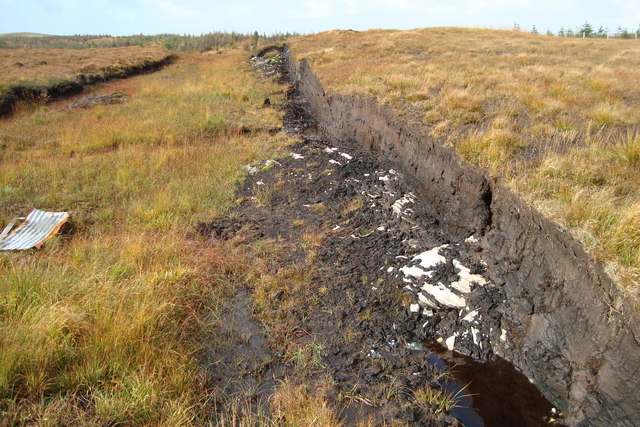
Similarly, in The Schools' Collection I found a usage17 of luspán, referring to some kind of small creature found by a turf bank. Whether it refers to a frog is ambiguous, but to me it seems the most likely candidate. Apart from the quality of the initial consonant and possibly the first vowel, luspán would likely match the pronunciation indicated by liospán.
In the above section on the word "frog", I explored the idea of "frog" being used to substitute for a taboo "true" name for the creature. If losgann was such a taboo name, then the evolutions to luspán, liospán, lispín could be explained by taboo deformation — that is, deliberately phonetically altering a word to avoid actually saying it (as with "jeepers" for "Jesus").
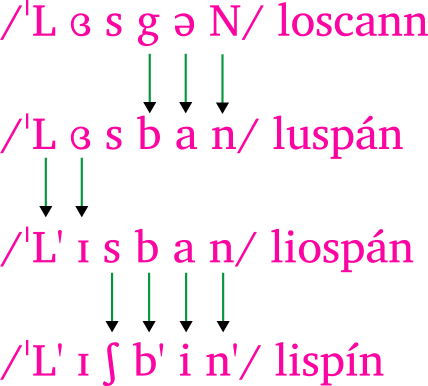
If this word is indeed a phonetic variation on losgann, then the fact it is also used for lizards might give credence to the idea that the word comes directly from salamanders, rather than indirectly via crickets (see above section on losgann).
lisbín locha
A variant I found a single example of, in Mayo, was lisbín locha18, which we might translate as "loch salamander".
Use of losgann to mean "semi-aquatic"
Meath's Aodh Mac Domhnaill (1802-1867) uses losgann to mean "semi-aquatic" (Beckett, 1967). The editor renders lighsgan and other various spellings as loscán. On otters:
Is loscán an dobharchú, óir is ar an uisce a ghintear na coileáin agus dá bhrí sin baineann a mbeatha amach faoi agus os cionn uisce.
"The otter is loscán, for in the water the pups are born and therefore they spend life out of and in the water."
The same text uses frag (rendered frog by the editor) for "frog". Does the use of losgann to mean any semi-aquatic creature support the idea of it being a taboo word? Perhaps not. However, the usage seems at odds with all earlier examples given in the eDIL. Given our proposed etymology for losgann, it would seem this usage has come from the previous use of the word to mean "frog" specifically. Perhaps after the word had become infrequent, and frog had become ubiquitous, this more general usage became possible.
Other usages of lisbín
- An Irish telling of The Princess and the Frog
- A character in a play
- Possibly in the name of this beach, written i nGaedhilg in this news article as Trá Lispín
- In The Man Who Invented Sin by Seán O'Faoláin
Sonasan: an etymylogical outlier?
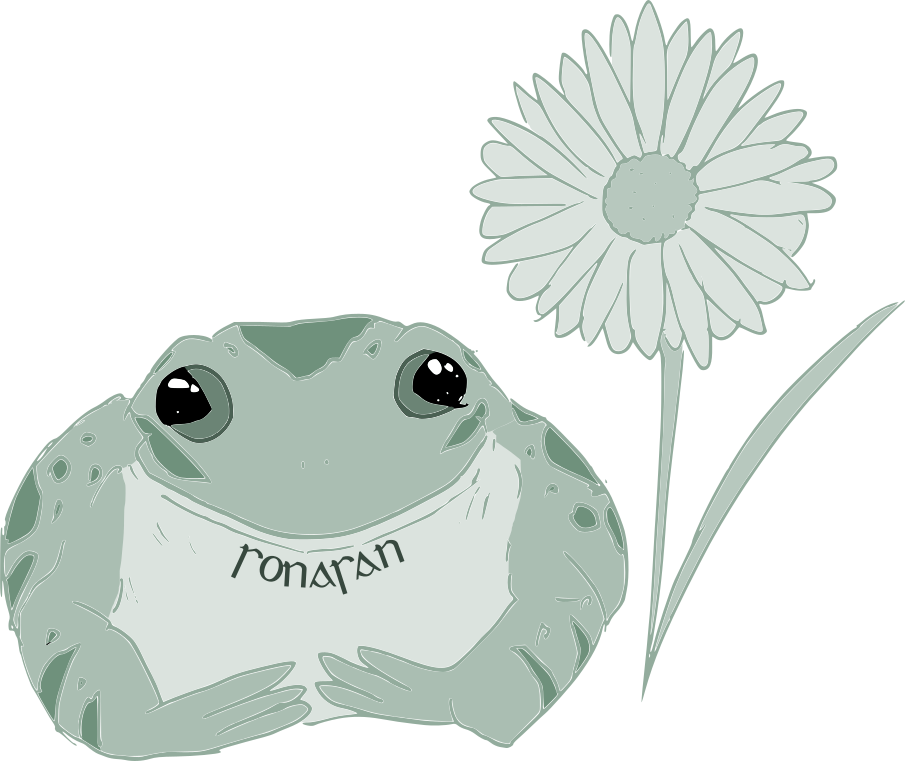
I found this word in two places in Wester Ross. It is also stated to be used in nearby Skye in Forbes (1905).
In Robertson (1900) p. 364 sonasan is described as specifically referring to "the young frog when it has passed the tadpole stage".
The word can be the nominative plural for sonas, which means "joy" or "good fortune". Use of the plural seems uncommon, but it is used this way in a few old sources:
’N uair a rainig mi’n gleannan
B’oirdhearc sealladh nam bruach,
Bho na chaochail an doinionn
’S a thainig sonasan nuadh
"[...] and new joys have come". The above is from a song Cuairt Mhaidne A'Bhuachaille, by Calum MacEath, which won a prize at a 1926 Mòd, and was reprinted in An Gaidheal by An Comunn Gàidhealach.
In the frog's case, the suffix -an is being used either diminutively or to create some other new noun (see suffix guide). The plural is recorded as sonasánan [sɔ᷉nəsɑnən], [sɔ᷉nəsɑnː] in Wentworth (1993). It would seem that frogs are being referred to as "wee joys", or "joyful things".
Referring to a frog as a "wee joy", while delightful, seemed unexpected to me. Superficially sonasan reminds me of snasán, listed above as a synonym for loisgionn (see section on losgann). This word refers to polish, stemming from the word snas for cutting or chipping, perhaps because of the process of making shellac involves scraping a resin secreted by bugs from tree bark, melting it into a sheet, then breaking that into small chips. I have no suggestion for how this might be related to frogs or crickets, and no justification for why the vowel might have been inserted to create sonasan. The knowledge that burnt frog innards were once used for polish seems like a red herring.
Perhaps we can take this word at face value: as describing the joyful motion of the leaping young frog, newly be-legged — or as signifying a positive omen. ↩
Fliuchán: a lost word from Derry
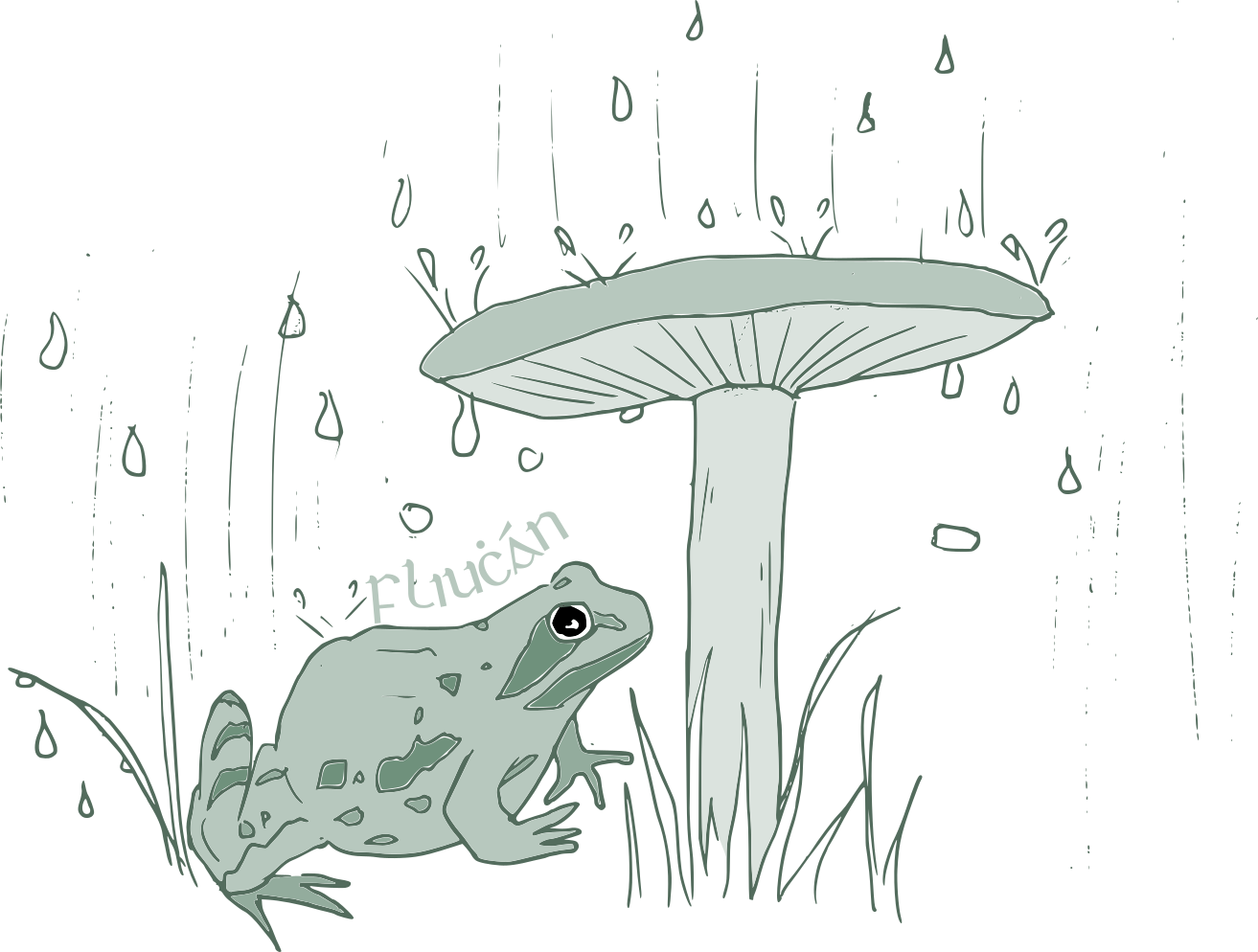
This word is reported as once having been found in County Derry
By the time of the LASID in the 1950s, the fieldworkers could find no native speakers in Derry. However, a variety of earlier secondary sources record the word fliuchán as being used for "frog". I have not found the word used with this meaning elsewhere.
The word fliuch means wet, and correspondingly fliuchán means "wet thing" or "wetness". In Kerry it is used to refer to rain, see Sjoestedt (1930), and this example in the Schools Collection. It is also used in this entry from Conamara to describe some kind of seafood that people long ago would have eaten, listed alongside crabs, clams, and seaweed.
Sources where it used to mean frog:
-
Dinneen (1904) p. 320 "a frog (Der.)"
-
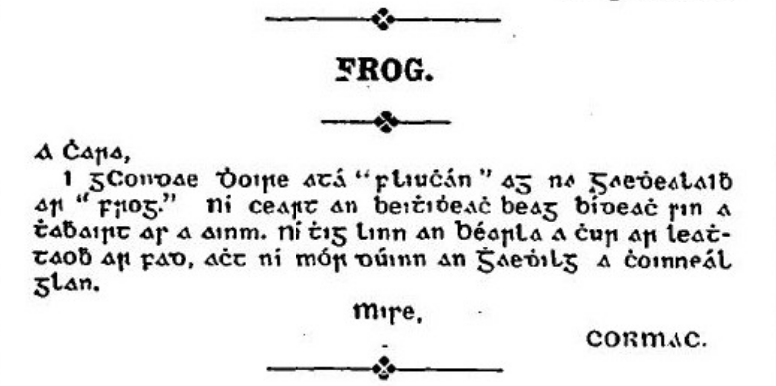
Cormac (1909) (pictured above) He says that in Derry they call frogs fliuchán.
-
Mac Meanman (1940): Ceann aca sin an frog nó an fliuchán mar deirtear i gcorr-áit ins an chúigeadh seo. A Donegal source saying frogs are known as fliuchán elsewhere in Ulster.
-
Mac Gréagóir (1908) (pictured below) A riddle describing frogs has the answer fliuchán díge. It is not specifically attributed to Derry, just Ulster.
Ciarán Ó Duibhín believes the 'Cormac' in An Claidheamh Soluis is Séamus Ó Ceallaigh (1879-1954), whose father was from Draperstown and was raised with Irish until he was 7 years old. More information is available at ainm.ie and in Whitfield (1994).
Fliuchán díge
In 1908
Aoidhmín Mac Gréagóir
published a series of articles in An Claidheamh Soluis titled
Sean-Ranna Ultacha (Eng. old verse of Ulster). A riddle is included:
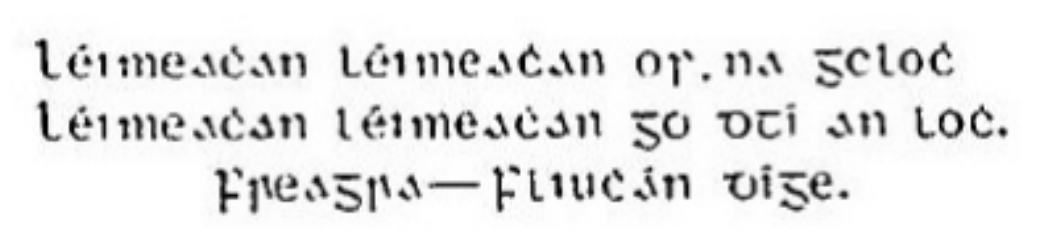
The riddle asks what jumps over rocks and jumps into the loch. The answer, fliuchán díge, we can translate as "wet thing of the ditch". ↩
Leumachan and leumadair: leaper
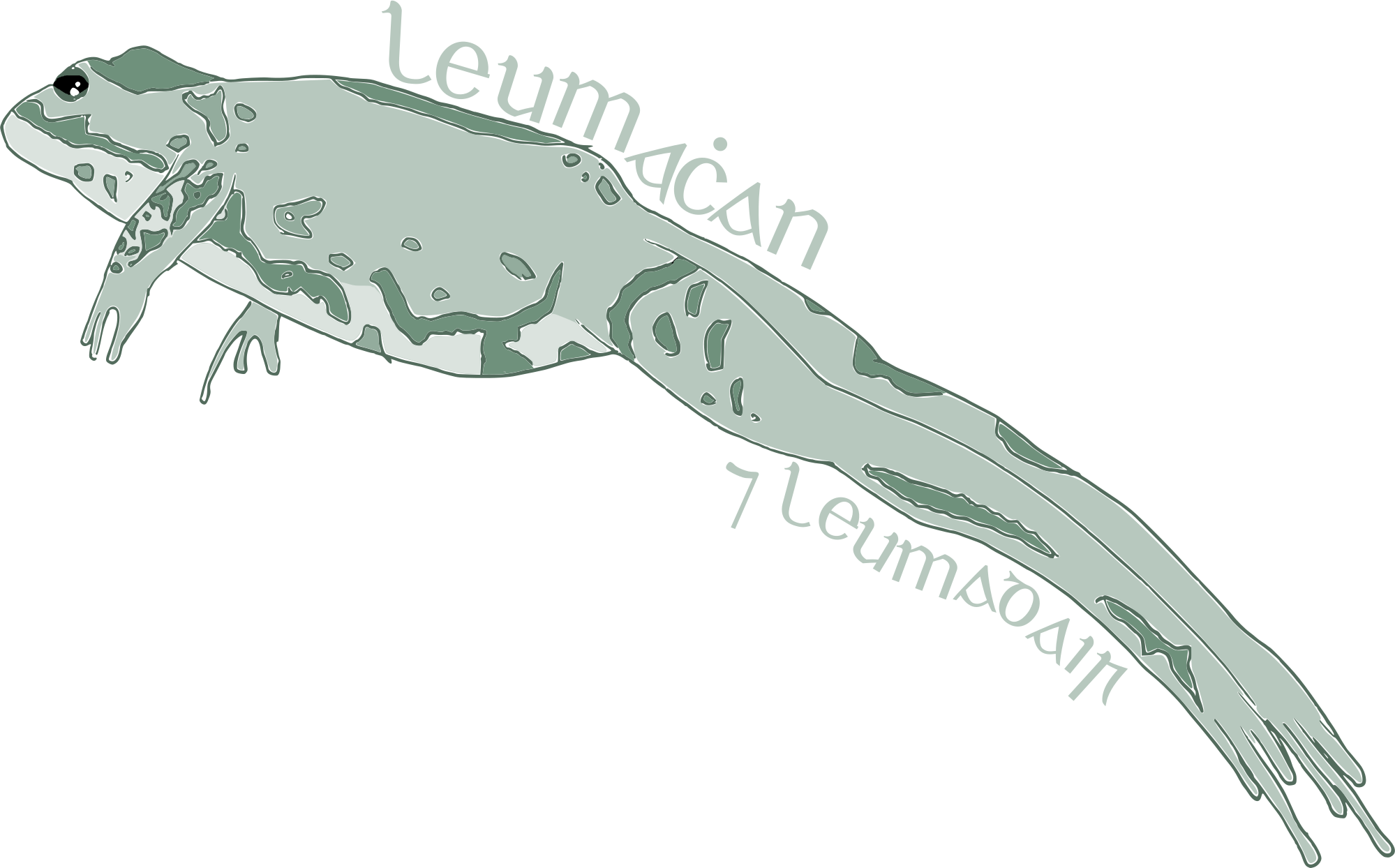
I found variants of leumachan in various parts of Scotland, especially in West and North Sutherland. Dòrlach's fieldwork found leumadair once in the North of Lewis, and The Schools' Collection records it once in Mayo (as léimeadóir).
The etymology of leumachan seems transparent: leum + ach + an = "(wee) jumping thing". Similarly for leumadair: "jumper". Leumadair is also used for other leaping animals, like dolphins19 or grasshoppers. Sometimes qualifiers are used: Dòrlach's fieldwork in Scotland found leumadair-fèoir ("grass jumper") for grasshopper, which is also found in the 1819 Manx bible as lheimydyr-faiyr.
It is possible that leumachan was also used for frog by native Manx speakers, as it is given in Fargher (1969), rendered lheimaghan. It is likely this was a neologism introduced by Fargher, however. I couldn't find any native corroboration. Fargher's work is discussed further in the section on words not included in the map.
Variations
Several variations of leumachan came up, in fact far more commonly than plain leumachan:
- leumrachan, Carloway on Lewis
- leumbrochan, Clashnessie, also on Lewis
- leumbhrochan, Achiltibuie near Ullapool
- leumnachan, Drumbuie, Lochalsh
Indeed, the word léimneach seems more common in Ireland than léimeach. How come?
In Robertson (1900), leumrachan is explained as coming about through dissimilation from leumachan. This explanation does not make sense to me. Dissimilation is a phonetic process where sounds change to make them more distinct from surrounding sounds, or where sounds that are too similar to others within a word are removed. There are various proposed reasons for this, but generally it seems to be done to make a word easier to say, or more pleasing to the ear. Gaelic examples of this given by others: dealagán for gealagán ("egg white", Quiggin, 1906), caoláire for caol sháile (logainm.ie). In English a common example is rhotic speakers pronouncing "berserk" as "beserk".
Perhaps it is lack of knowledge on my part, but I don't see how the insertion of /n/ or /r/ here can be explained by dissimilation. Certainly the substitution of /r/ for /n/, as in pronunciations of mná (e.g. /mˠɾˠãː/) found in most places except Munster, seems well-described by dissimilation. But the insertion of nasal /n/ after nasal /m/ does not seem well-described by this.
What if leumnachan (and thereby leumrachan &c. by dissimilation) could be explained by leumnach being formed from the plural? The Old Gaelic nominative plural léimmen gave rise to léimanna in Ireland and leuman in Scotland. The eDIL records the old spellings of lémennach and leminnach. Could these reflect the suffixation of léimmen? Beyond the example old spellings, I don't have much to support this — except that there are other examples of -ach suffixation that are made from the plural: aidhmeannach ("designing; ambitious", from "aims, purposes"), greamannach ("biting, inclined to bite; sticky" from "grips (n.); bites (n.)"). Perhaps the plural here conveyed repeated jumping. I find this a more satisfying explanation than the dissimilation above. ↩
Crónán and cnádán: for the frog's sweet song
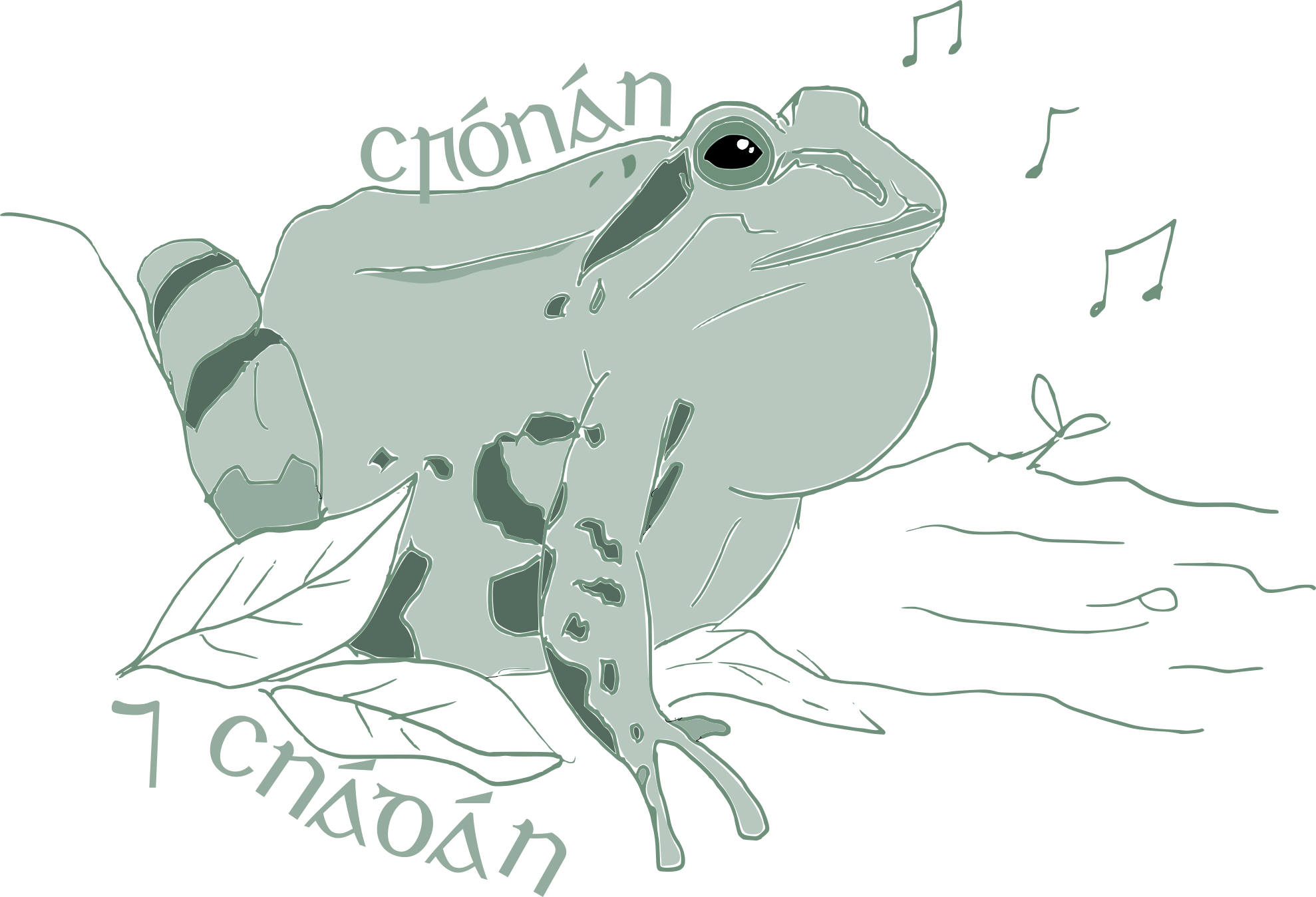
Both of these words seem rare, at least for referring to frogs. Crónán came up twice in West Donegal, and once in the Fews in Armagh. Cnádán was found once each in Waterford and Cork, and is also listed in some old dictionaries and referred to in articles from the late 1800s. Modern sources often cite cnádán as referring to the Natterjack Toad. Cnádán is one of the words used in an 1817 edition of the bible20. See bible appendix for more information.
Crónán: hummer
Both of these words refer to the frog's croaking. The first, crónán is translated in Hamilton (1974) as "purring", "humming", and beyond the frog's croak is also used for other low pitched relatively white sounds:
- for a cat's purring, see the sean-cainnt collected several times in the Schools' Collection: Is ar mhaithe leis fhéin a dheineann an cat crónán "the cat purrs for himself", the significance of which I have seen explained in several diverging ways
- for the sound of a babbling brook (Sinclair, 1879, p. 320): Aig an allt' tha crònan fann/Air a' ghaoith tha fàile cùbhraidh, from a song collected from Argyll-born bard Eanraig MacIlleBhàin
- for the sound of waves crashing onto the shore (Sinclair, 1879, p. 223): An tonn ri crònan air cladach còmhnard, from a song collected from Iain Caimbeul, Bàrd na Leidige.
Slightly less congruous is its use for birdsong (Sinclair, 1879, p. 291), though I suppose this too can be a pleasant background noise.
A variant recorded in Donegal and in The Fews (Dunbar, 2025) is crónán díge, which we might translate as "ditch hummer" (ditches often collect water, creating a lovely froggy habitat).
What of the etymology of this word? The English word "croon" is thought to derive from Middle Dutch crônen, which certainly matches phonetically and loosely in terms of meaning. Perhaps the word was borrowed directly from there, or from Middle English, or from the modern form "croon". Regardless, perhaps we can revise our earlier translation of crónán díge to "ditch crooner" for a more romantic vision.
Cnádán: croaker
This word seems to most commonly have been used for the plant burdock, see various
sources in
The Schools' Collection, and again Hamilton (1974).
Its usage for frogs seems to be onomatopoeic. The Scottish cnàg /kʰɾãːk/ and gnàg /kɾãːk/ for
the frog's croak are notably similar. It is recorded
several
times in the The
Schools' Collection as a pejorative for someone who moans or is cranky, and translated in this sense as "a croaker".
When I did first understand this word to be likely onomatopoeic, I wondered if this would only be the case in places where it is pronounced to begin with /kɾˠ/ (further north in Ireland) rather than /knˠ/ (further south in Ireland). To me, this was all that would make sense in terms of onomatopoeia. However, the only places I found it recorded were firmly in the south of the island: the LASID records [knɑũˈdɑːn] in Waterford. I think this just serves to illustrate how arbitrary onomatopoeia can be, easily demonstrated by comparing animal sounds across languages.
Our two singers in unison
Nuair aireóchtha na froganna ag crónán agus ag cnádán.
"When you hear the frogs crooning and croaking."
Gille-cràigean, cràigean, and cròigean: well-pawed lads
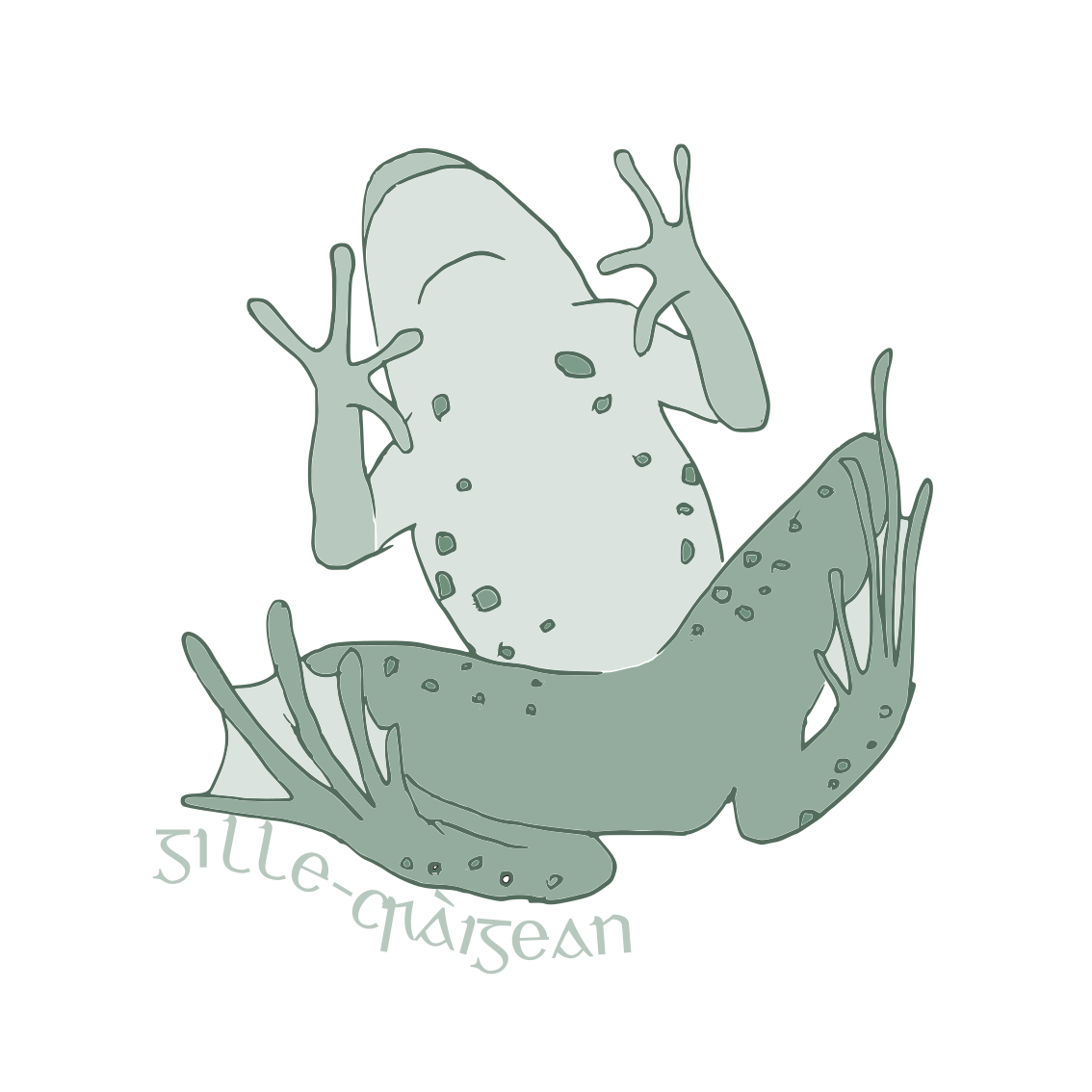
Gille-cràigean was recorded a few times around Ardnamurchan and on Lismore, and usage of cràigean then stretches in an unbroken (in the data I have gathered) band running northeast across Scotland to Strathspey, where cròigean is found.
These words appear to refer to the frog's "hands". Dwelly's dictionary defines cràg and cròg primarily as "large or clumsy hand", with various other hand or paw definitions given also. Macbain (1911) derives cràigean from these words, translating it as "well-pawed one". The addition of gille makes it "well-pawed lad".
I've seen it suggested that this word is instead derived from cnag /kʰɾãk/, which Dwelly defines as "pin; peg; knob". Presumably this would describe the frog as a wee lump. This seems less likely to me, both from the meaning, and due to the fact that cràigean has a long vowel (e.g. [kɾɑ:ɡʹɑ̃ṉ] is recorded in Badenoch) as in cràg, and is also found as cròigean, reflecting the variants cràg and cròg. ↩
Màgan, smàigean and mial-mhàgain: crawlers
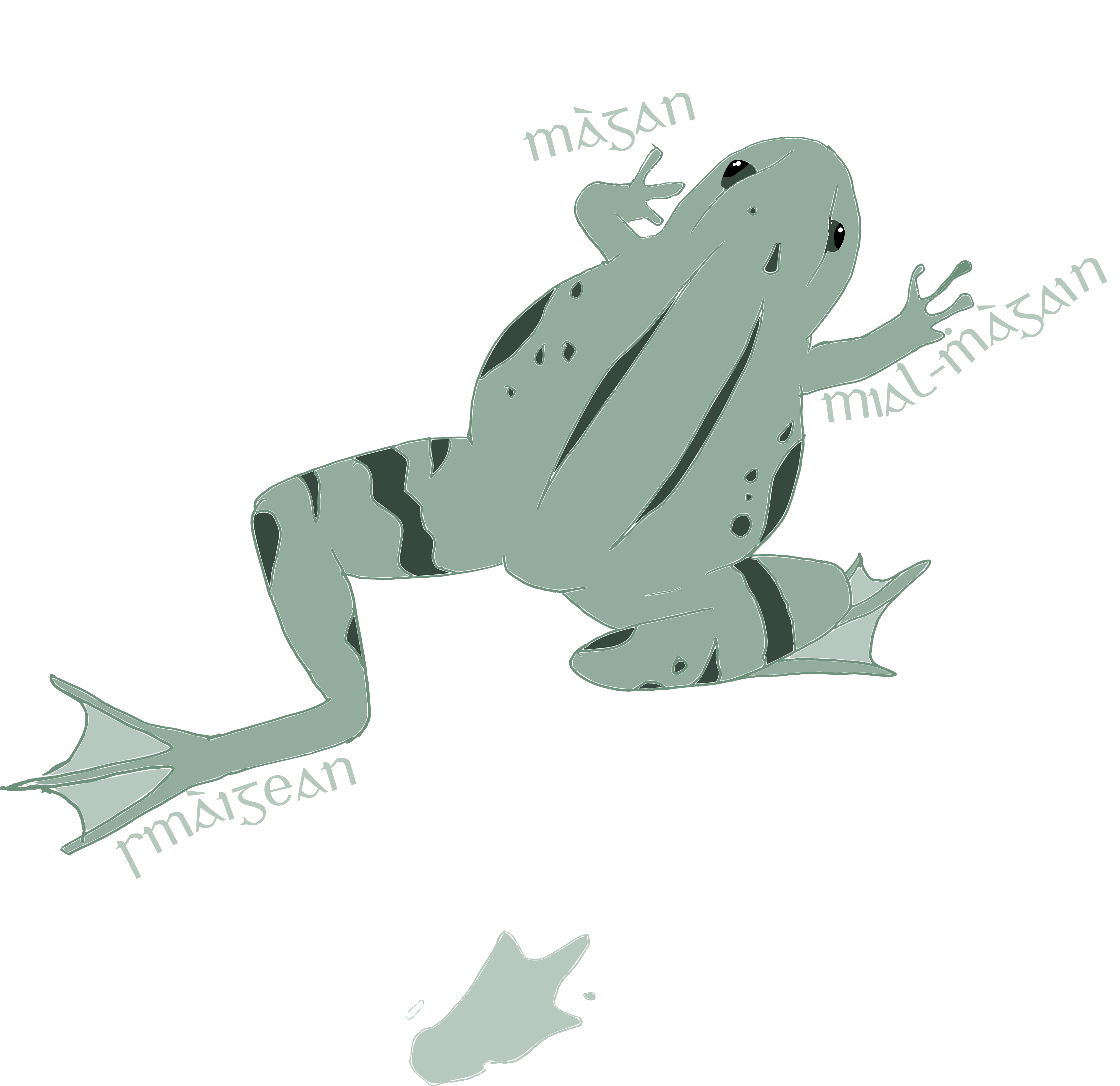
All three Nova Scotia datapoints record màgan for frog. In Scotland it is more common for this to mean toad. However, its variant mial-mhàgain is popular in Scotland for frog, particularly on Skye and Raasay. Smàigean was found in East Perthshire, and is also used for "toad" in other places.
Dwelly's dictionary defines màg as "paw; claw; ludicrous term for
the hand", and "seal's paw (Argyll)".
Màigean is given as "Fat little man; child
beginning to walk; toad; frog; ludicrous term for a man with a creeping or
sprawling gait, or moving on all fours." MacBain (1911) suggests this term for
toads should properly be mial-mhàgain, meaning "squat beast".
Certainly there seems to be a strong association with crawling here, hence to
me this word would evoke toads more than frogs. Nevertheless, variants of
mial-mhàgain appear popular for frogs. On Skye and Raasay this is
often rendered mula-mhàgag. In Robertson (1898), this is analysed as
epenthesis, noting other examples of vowel insertion like
seana-mhathair instead of sean-mhathair for grandmother.
Epenthesis between liquid consonants (l, n, r) followed by certain other
consonants is widespread, but the rules that govern it do vary. Compare the
various Irish pronounciations of seanmháthair here.
Is the usage of a term associated with crawling because frogs and toads were undistinguished in some places, or the words got confused? MacBain's translation of "squat beast" certainly suits frogs well, see also the section on crúbán claidhe. It's possible these terms take their meaning from the squatting, rather than movement in that position.
But what of smàigean? Is the s- etymological? MacBain also defines smàg as "paw", but compares it to English "smuggle". It seems worth noting that in Proto Indo European, many *s- prefixes are theorised to have been optional, or only present in some inflections21. Hence the English word "small" and the Irish word míol ("animal") are thought to be from the same PIE root meaning "small animal". Whether the same word could be preserved in a language with and without the s prefix is not clear to me. ↩
Laprachán, lapadán, laparán and lapadóir: paddlers
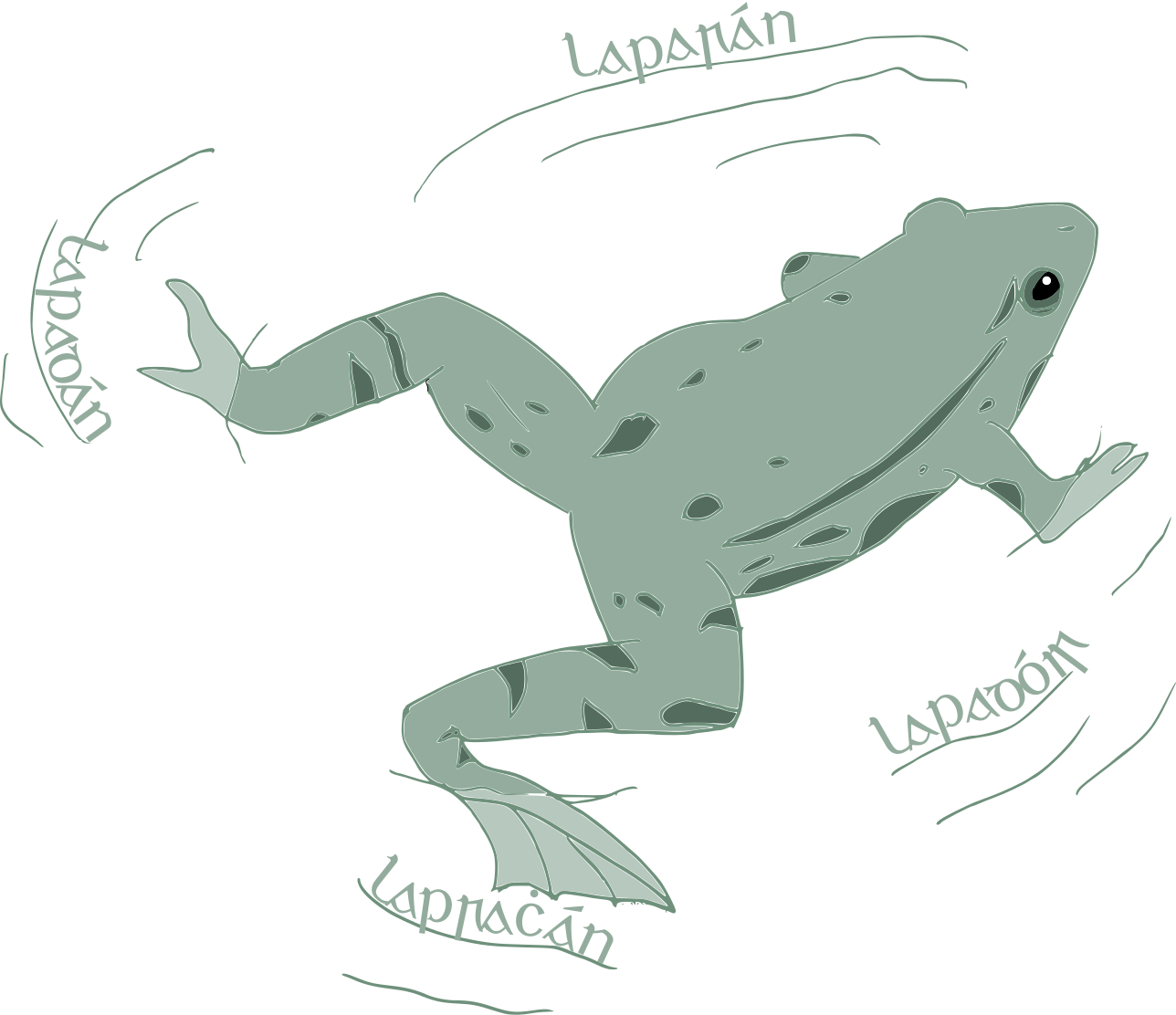
Laprachán or laprachán lathái was found a few times in Galway and once in Waterford. Lapadán or lapadán lathaí had two examples in Galway and one in Monaghan, lapadóir one in Mayo, and lapadóir lathaí one in Galway. Laparán was found once in Limerick, and in a novel by a Donegal author.
While màgan and its variants stem from the word màg, these words appear to stem from the word lapa. Relevant extracts from Dinneen's dictionary, pp. 419-420:
- lapa: a paw, the fist
- lapach: a swamp, a marsh
- lapadán: a kind of sea-fish; also a bird called "diver"; a small inactive person (Donegal); a clumsy person
- lapáil: act of using the paws, pawing; of a frog swimming (Connacht)
- lapaire: one that paws or pads with the hand
- laparnach: a wading through water etc.; pawing or handling soft mud etc.
Ó Dónaill's dictionary lists laparnach as a variant of slaparnach, meaning the act or sound of splashing water. This would seem to be imitative. The varying use of initial "s" reminds me of variant "plash" for "splash" in English. This would explain the seemingly incongruous use of lapach to mean "marsh": as a description of the sound made while walking through it. Ó Dónaill lists slaprach as "wet, soggy land".
In The Schools' Collection, lapa is used to refer to a goose's webbed feet, and also seemingly a severed human hand. I haven't been able to find any suggested etymologies for it. Ó Dónaill defines laprachán as "toddler; waddler", possibly evoking crawling. I wonder if there are two etymologies at play here, one associated with splashing and another with hands. I expect they are one and the same, with the hand being the splashing implement. ↩
Crúbán claidhe: what do frogs have to do with crabs?
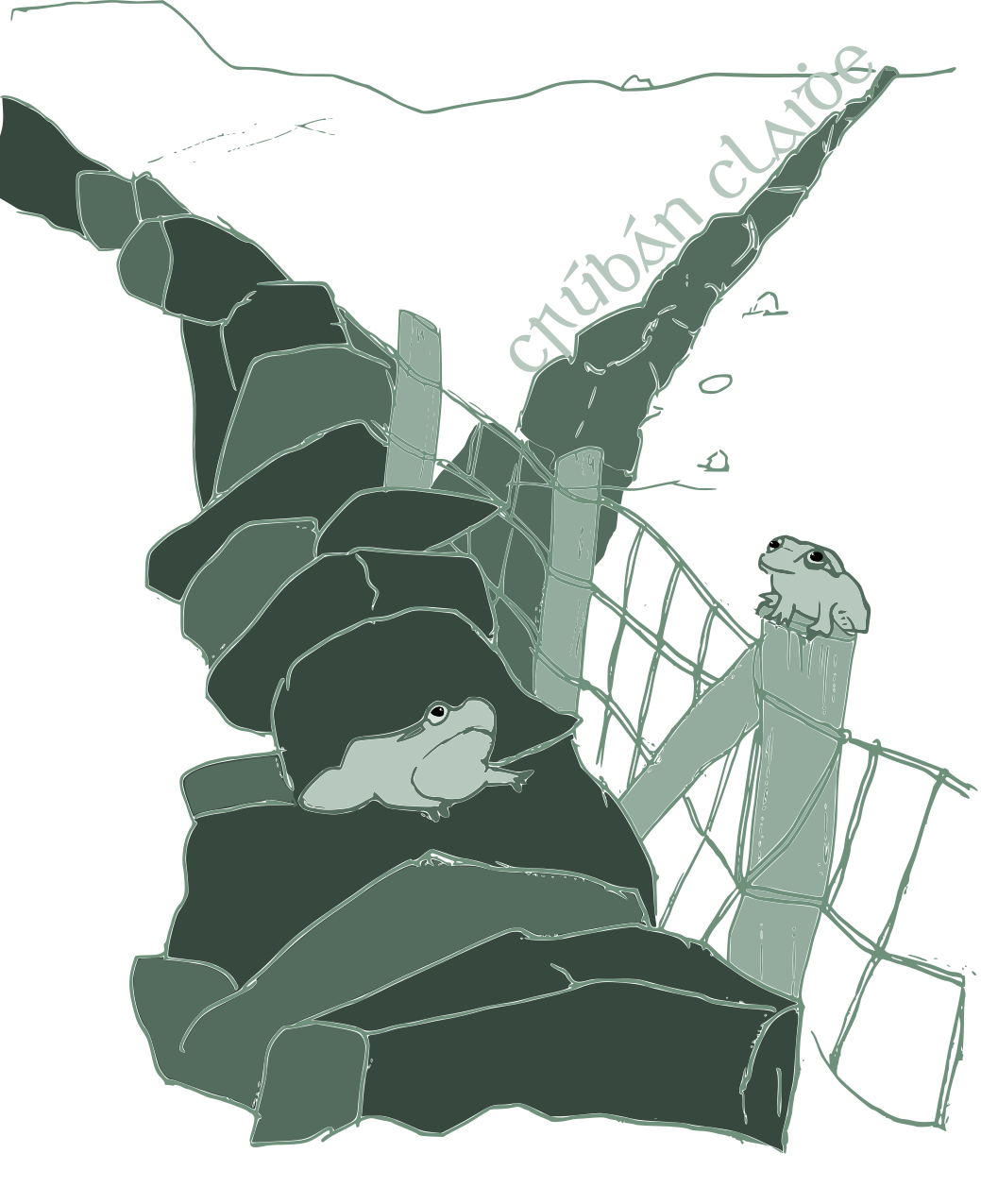
This word was found twice, both times on the Curraun Peninsula, east of Achill Island in Mayo.
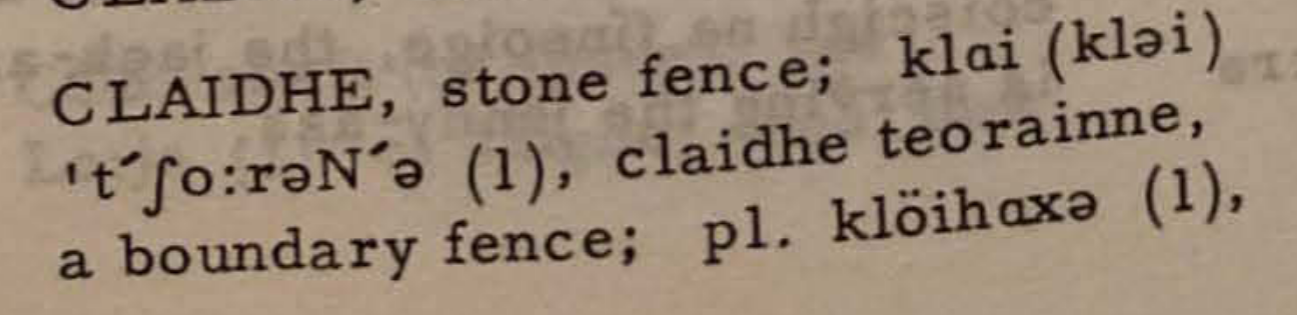
This seemingly very local term might be translated as "dyke beastie", with dyke meaning dry-stone wall ("dry stone wall beastie" doesn't have the same ring to it, and it is common to call them dykes in Scotland, where I am from).

The word crúbán would appear to refer to an animal with some kind of notable hands; crúb is listed in Dinneen's dictionary as meaning "a claw, a hoof, or paw". The descriptive bounds of these words will of course vary between individuals, but I would personally not use any of these words to refer to a frog's..."hands". Perhaps crúb can be used for any non-human limb appendage. The diminutive crúibín has been borrowed into English to refer to pig trotters as food (to me, a distinctively large food, but nevertheless...).
Crúbán is hard to find written Irish attestations of. An example in the Schools' Collection uses it in the name for a plant shaped like a hare's paw. It is also listed in Ó Dónaill's dictionary as referring to a "short potato-ridge at angle to main ridge", probably describing its shape as similar to some kind of foot22. In Dinneen's dictionary it is defined as "crabfish", an archaic term for crab23. In the LASID, the only places giving crúbán for crab are Rathlin Island24, Inishowen, Arran and Kintyre. The DASG also records this usage in other parts of Argyll. Some places (mostly in Ulster, also in Scotland, one place in Clare, two in Mayo) are however recorded as using the similar crúbòg, sometimes only to refer to big crabs.
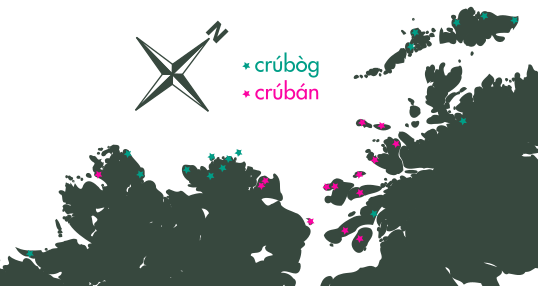
Given the geographical distribution of crúb- words for crabs, I do wonder if the strikingly similar Scottish word crùb might be related, which Macbain (1911) gives as being derived from Norse krjúpa and cognate with English "creep", meaning "to squat, crouch". That certainly fits a frog's resting pose extremely well, and arguably a crab's. If crúbán does refer to the crab's claws, would we expect to hear the crab's claw referred to as crúb in the places that use this term for crabs? On Islay a crab's claw is recorded as ladhar, on Lewis as iongna.
Perhaps in Ireland, Celtic-origin crobh (Scottish crubh, meaning: hoof, clawed foot, etc.) has merged, phonetically and orthographically, with Norse-origin crúb. In Scotland there are some examples of crubhan, clearly distinct from crùban. Dwelly (1918) lists crubhan cait for "cat's paw print", specifically the shape one would make with their fingers inorder to make such an imprint. The same meaning is used in Stewart (1885).
I am personally satisfied by this explanation. I will elect to officially update my translation to "dyke squatter". ↩
Breallach lathaí: a crude comparison? Rated PG
This term was recorded three times in the LASID, all in Galway.
When I first looked up breall in the dictionary, I was met with a surprise:

Breallach is commonly used for clams. What do frogs, glandes, and clams have in common? Well, they are all "fleshy" and share a certain shiny sliminess to their opaque surface. I will note that open clams and mussels look like a vulva.
The other meanings listed for breall in Ó Dónaill's dictionary are:
- (Ugly) protuberance [but is this just referencing the above meaning?]
- Blubber lip [again, this could be comparing someone's lips in an insulting way]
- Blemish, defect
- Rag, clout [presumably meaning patch]
- Blunderer, fool [genitals as epithets is common in English at least]
- (In phrases) Tá ~ ort, you are making a silly mistake, making a fool of yourself [in English you might say you are making an arse of something, perhaps here they are saying you're making a glans of something]. Fágadh ~ air, he was made to look very foolish. Tá ~ orm le mo chuid oibre, my work is sadly neglected, very much in arrears.
- ~ a gorma, knapweed.
As per my annotations, I do feel that many of these could be explained via the anatomical meaning. The eDIL lists these meanings: blur, spot, stain, etc.; slur, blemish, etc.; tumour, a hump, knob or botch; the glans penis, etc. a may game, a mocking stock and the round knob at the end of the buailteán or striking part of a flail. The last meaning perhaps explains breall a gorma for knapweed.
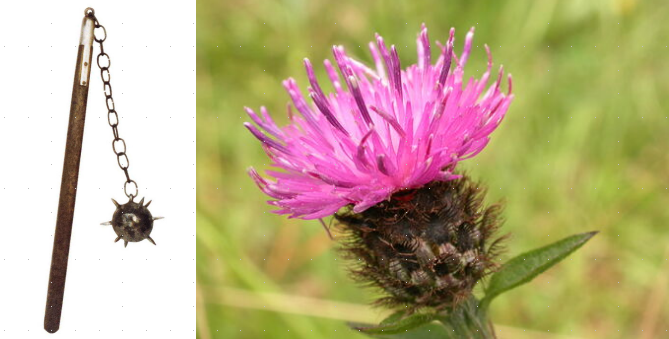
The meanings of "knob" &c. do suggest the frog here could be named for his shape: I suppose a frog sort of looks like a little lump of mud when resting, see also the use of tortán (small clod) for frog at LASID point 35, also in Galway.
So, does breallach really refer to the frog's mucusy skin? Or is it an insult to the frog, calling him a blemish on the bog? Perhaps the "protuberance" meaning could refer to the frog's vocal sac, a suggestion from my teacher Dubhán Ó Longáin. Or perhaps it is just calling the frog a wee knob. For now, the origin of this term will remain mysterious. ↩
Lúbóg lathaí and lúbar lathaí: for the frog's bendy legs?
Collectively I found three usages of these terms, all in Galway.
My best guess is that these lúb- words refer to the frog's bendy legs. De Bhaldraithe (1945) shows usage of the verb lúb meaning "to bend", and De Bhaldraithe (1985) shows usage for a purl stitch when knitting, the feeling of a twist in one's intestines when scared, and the ability to bend joints.
I would translate lúbóg lathaí as "wee bent one of the mud". The variant lúbar was a bit more mysterious to me, particularly as one of the transcriptions from the LASID was [ˈlɑbər ˈlɑhiː] which doesn't look like "ú" at all. Another transcription of [Lu̢.bər ˈLɑhiː] convinced me they are the same word, and a derivation from lúb seems most likely. I wasn't sure what suffix had been applied; my rendering of -ar does not represent any standard suffix. Davis Sandefur suggested this was probably a realisation of -óir, thus we would have lúbóir meaning "bender".
Not included on in the map data is lúbán díge, listed in O'Neill-Lane (1917) as being found in Oriel (South Armagh, North Louth, South Monaghan, North-West Meath, East Cavan). I couldn't find any other examples of this usage. I would translate it as "bent one of the ditch". ↩
Frús: found only in the LASID. Another foreign loan?
This word was only found once, in LASID point 37 in Carnmore, Galway. It is corroborated as being used in Carnmore at LASID point 35. I could find no written attestations.
In imagining ways to write the LASID transcription [frus] (standard IPA [fɾˠusˠ]), I tried fr[i][u, ú, o, ó, a, á]s with various declensions, and the most likely match I found was fras or fros used to mean a shower of rain. This feels tenuous, although we do have the example of fliuchán above for a frog word used for rain elsewhere.
More compelling to me is the idea that this might be another foreign loan, perhaps from an earlier form of "frog". Wiktionary lists various forms in Middle English, including frosk, frossh and (most attractively) fross. ↩
Preabaire na lathaighe: mud hopper
I found only one attestation of this, in Mayo.
Another jumping term is preabaire na lathaighe: "mud hopper", or "mud bouncer". Other uses I found of preabaire in The Schools' Collection appeared to refer to magpies: see this familiar superstition from Tipperary, and this riddle from Clare. Ó Dónaill's dictionary gives as prebaire na mbánta as a possibility for magpie. ↩
Athadán: Conamara creature
I found only one written attestation of this word, and one phonetic in the LASID, both in Conamara.
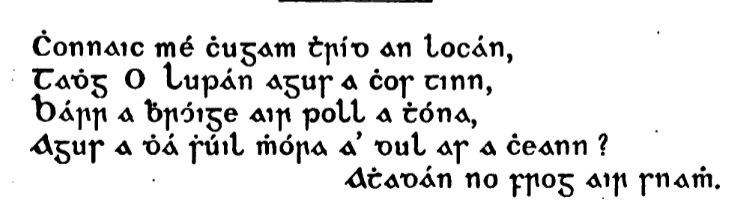
I have seen this riddle repeated across Galway and Mayo in The Schools' Collection and the LASID25. The version above is from a collection of Conamara folklore (O'Fothartha, 1892). It is a longer version than the later ones I have seen in the previously mentioned sources. I might inexpertly translate it as:
I seen through to the puddle/pond [assuming locán is lochán]
Timmy McHands and his sore leg [because his legs are bent funny]
The top of his shoe in his arsehole [because of how frogs sit]
And his two big eyes going out his head
I can see how it describes a frog, but if there is any of the wordplay that I usually associate with riddles, it is not apparent to me. Regardless of my suspicions about the quality of this riddle, the answer in all six other examples of this riddle is always a word meaning "frog". In the fuller example here, the answer is "athadán or frog swimming". I do not see how the former could be an alternative answer — I think it is an alternative name for the same meaning.
The only other usage of this word I've been able to find is in the LASID. Point 35, South of Tuam, for some reason lists alternative words for "frog" from different areas than the one at hand. A word from Conamara is given as [ɑːdɑːn]. I have read that intervocalic /h/ is deleted in parts of Conamara, so this would appear to be our word.
I was perplexed as to what it could mean. I am grateful to Davis Sandefur for investigating. He asked Criostóir Ó Loingsigh, who had heard eathadán for "tadpole" from a Kerry speaker. The root of the word is spelt variously athaid, aithid, eathaid, feithid. The initial f- is not etymological. The eDIL lists various related usages: "A bird, fowl; a winged creature; a living creature", "a serpent, any venomous little creature", "a beast". It would seem to be applied in a similar way to "beastie", though it seems in Conamara it was used to mean a very specific beastie: the frog. ↩
Tortán: clod?
I only found this in Ballyglooneen, LASID point 35, in Galway. The similar torpán is listed in Dinneen's dictionary with "frog" as a possible meaning.
Tortán is listed in Ó Dónaill's dictionary as meaning "clump, tussock", or "dumpy person". Similarly, torpán is listed as "(small) clump or clod" or "roundish thing; lumpish person, pot-bellied person". Perhaps it is used for frogs to compare them to clods of turf, or refer generically to small lumps of creatures.
Interestingly, in the context of the crúbán claidhe term, Dinneen's dictionary lists both "crab" and "frog" as possible translations of torpán. ↩
Ceanna-phiullan: usually used for tadpoles
There was only one example of this being used for frogs, in Romasdal on Skye. All other usages found were for tadpoles.
I wonder if this might be better written ceann a' phiullan, or perhaps more familiarly (to me) as ceann a' phollain. To me this would seem to clearly mean "head of the small pool". Dwelly (1918) equates pollan to pollag, defined primarily as little pool, hole, pit, or pond (see also Macbain, 1911 who writes ceann-phollag or ceann-phollan as words for tadpole).
A fun comparison is a dialectal American English word for tadpole: "polliwog". Amusingly, the "poll" here means "head"! All together the word means "head wiggle". In our Gaelic example we have "poll" to mean pool/pond, and another word for head. Both would seem to refer to the tadpole as a little swimming limbless head.
It's harder to make sense of this term applying to frogs. I can't help but wonder if the fieldworker who recorded this made an error! ↩
Words not included in the map, and not discussed above
Rannag on Man
The word rannag seems to be the most popular word for "frog" among Manx revivalists, but I was unable to find any attestations from native speakers. The earliest extant occurrence seems to be in Fargher (1969):
The common frog [...] is rannag, but this word became lost during the course of time yet it was preserved in the place-name 'Poyll Ny Rannagyn' (pool of the frogs). It is strange that this word is obviously connected with the Latin name [rana].
No other mention of the placename "Poyll Ny Rannagyn" seems to be found in other texts. The admission that rannag had "become lost" suggests he had never heard a native speaker use it. Doug Fargher, who was not a native speaker, felt that the revitalisation of Manx required a revision of its vocabulary (and grammar). This took the form of suggesting neologisms "to meet modern needs" (Broderick, 2013)26, and replacing "perceived impurities or corruptions" used by native speakers with his own preferred words (Lewin, 2017). The preface to Fargher's English-Manx dictonary states his approach clearly (Fargher, 1979):
The aim of this dictionary is purely practical. It is largely a prescriptive work and not a descriptive one, that is to say, it does not aim to be a record pure and simple of the language as it was spoken at any time during its history, but tries to provide some sort of basic standard upon which to build the modern Manx language of today and tomorrow, in order that those who feel the need to express themselves in Manx may here find the necessary means to do so.
Although I take a more preservationist approach to my own Gaelic learning, it is clear Fargher's work has played a significant part in the revival of the language, which he dedicated much of his life to. See Lewin (2016, 2017) for more exploration of Fargher's work's impact, context and ideology.
Back to rannag. I admit my first instict was that Fargher might have fabricated this word, but in the preface to his dictionary he openly admits he "borrowed unashamedly from our Gaelic cousins" and "make[s] no apology whatsoever for attempting to restore to the Manx language mutations, genders and certain other characteristics of Gaelic which without doubt existed in pre-literary and classical Manx but which had already disappeared before the final demise of the native speakers"27. Coyly commenting on the strangeness of rannag's Latin root for a word he fabricated would seem to be at odds with this open approach.
In Lewin's work he uses "the term ‘Traditional Manx’ to refer to the now extinct native variety deriving directly by intergenerational transmission from earlier forms of Gaelic, and ‘Revived Manx’ for the variety spoken today, predominantly as an L2 [second language]" (Lewin, 2017). The existence of the latter is a joyous thing to me, but my work here on frogs is concerned with the former, and in the absence of any evidence that the word "rannag" was ever used in Traditional Manx, I have not included it in the map.
Uillichd in Scotland
A curious word I found only in Forbes (1905) is uillichd (it is also in Dwelly, 1918, but sourced from Forbes). I believe this could have been pronounced [ɯʎəçgʲ] though of course this is unattested as I have found no other use of this word! I believe uillic could have the same pronounciation, but that would only suggest that frogs were called some diminutive of "William", and the genitive at that (which does not make sense to me grammatically). Perhaps this word is related to ùill for oil or grease, referring to the frog's mucusy skin. That is the best suggestion I have. I wish I could find other usages!
Cruitín díge in Oriel
Alongside lúbán díge, discussed above, O'Neill-Lane's dictionary lists cruitín díge as a word found in Oriel in Ireland. As well as the meaning of "harp, lyre", Dinneen gives the meanings of "a hump on the back, a little eminence; summit". Various sources from Monaghan and Cavan in The School's Collection list "hump" as the meaning. I suppose once again our froggy friend is being described as a little lump. The use of díge, the genitive of a word for "ditch", seems to have been common when referring to frogs in East Ulster.
Miscellaneous curiosities
"Anybody that lived in rural Ireland remember the frog man?"
"A jumping frog and other creatures of etymological interest"
"An etymological plague of frogs"
"The Etymology of English toad: Effects of the Celtic substrate?" (strongly disagreed with by the previous item)
A frog burned by a German bomb on the Isle of Man during World War II
Go rabh maith agaibh
-
Ciarán Ó Duibhín, ar ábhar misnigh é, agus as acmhainní ar líne a chur ar fáil
-
Dubhán Ó Longáin, as mo cheisteanna fá fhroganna a fhreagairt, agus as an mhúinteoireacht
-
Àdhamh Ó Broin, as d'obair ghoirt a roinnt, agus as labhairt fá fhroganna liom
-
Christopher Lewin, for answering my questions about the possible origins of the Manx word rannag, and providing a copy of The Manx Have a Word for it, Book 4: Insects, Reptiles etc.
-
Davis Sandefur agus Criostóir Ó Loingsigh, as athadán a deánamh taighde, agus fá laparán a insint domh
-
Ciarán Dunbar, as labhairt fá fhocla as Oirialla liom
-
Màiri MacMillan, as labhairt fá fhroganna Uibhist liom
-
Simon Thoumire, as sonraí teagmhála Mhàiri a thabairt domh
-
Thank you to all the fieldworkers, the 1930s Irish schoolchildren, the informants who took the time to be interviewed, and everyone who has ever gone to the effort to make knowledge available online for others to access freely.
Appendix: Orthography notes
Read more
When illustrating the words for frog above, I wondered whether I should try to use a consistent orthography across the illustrations. The writing systems used in Scotland and Ireland differ somewhat, having once been shared, now are diverged. The Isle of Man's writing system was developed independently and is very different, but the only word I've illustrated from there is "frog", so the difference in orthography was not a concern.
In the end, I have largely written the words in the illustrations as I would expect to see them in the places they were recorded. I did, however, make some choices:
- When standard Irish orthography would have "sc" or "sp", I have written "sg" and "sb", as I believe is standard in Scotland (where I understand most surviving dialects have lost voicing contrast on plosives entirely). This is because I think the voicing of the second consonant is phonemically irrelevant in this context even in Ireland, as it is in English (compare "speech" with "sbeech"), and the (lack of) aspiration is what is most salient phonetically. Also the letter "g" looks nice in the font I chose, so this way we get to see it in losgann.
- When there were a few variants of a word, the choice of which one to represent in the illustrations was a bit arbitrary. For example, although I had more attestations of leumrachan than leumachan,it seemed more convenient for the headword to be formulated simply from leum + achan, with further explanation of variants later on.
- This mostly applies to the datapoints on the map, but I have followed the old Scottish tradition of using "ó" for /oː/ (as in mór Eng. "big") and "ò" for /ɔː/ (as in òran Eng. "song").
When working from sources like the LASID that provide phonetic transcriptions only, I have used a very loose phonetic rendering in the orthography that is most familiar to me, which preserves fortis-lenis contrast on L and N. Hence for LASID responses for the many areas where this contrast is lost and only the lenis consonant remains, I have written a single consonant character even if the standard spelling has a double consonant, e.g. standard "froganna" has been rendered "froganaí" to represent [frɑgəniː]. These spellings are really just here to make the map easier to read, so please don't read too deeply into any of the choices made in rendering the phonetic transcriptions as words.
Appendix: Frogs in Gaelic bibles
Table of translations for "frog" in various Gaelic bibles 1602-1827
The words vary in grammatical case. I believe the -ibh instances are dative plurals, and the rest nominative plurals. The original Hebrew of Exodus and Psalms uses the same word throughout for "frog".
| Year of edition | Bible | Exodus 8:2 | Exodus 8:3 | Exodus 8:4 | Exodus 8:5 | Exodus 8:6 | Exodus 8:7 | Exodus 8:8 | Psalms 78:45 | Psalms 105:30 | Revelation 16:13 |
|---|---|---|---|---|---|---|---|---|---|---|---|
| 1602 | New Testament translation by various Irish-born Church of Ireland priests | froguibh | |||||||||
| 1685 | Old Testament translation by English bishop William Bedell | froguibh | froguidhe | froguidhe | froguidhe | froguidhe | froguidhe | froguidhe | luisgionn | luisghionna | |
| 1690 | (as above) | froguibh | froguidhe | froguidhe | froguidhe | froguidhe | froguide | froguidhe | luisgionn | luisghionna | |
| 1817 | (as above) | lúisgionn | cnadáin | luisgionn | luisgionn | cnadáin | cnadáin | luisgionn | luisgionn | luisgionna | |
| 1827 | (as above) | lúisgionn | lúisgionna | luisgionna | lúisgionna | lúisgionna | lúisgionna | lúisgionna | luisgion | lúisgionna | |
| 1767 | New Testament translation by James Stewart and Dugald Buchanan, both Scottish | losguinn | |||||||||
| 1801 | Old Testament translation by John Stewart of Luss, son of James Stewart above | losgannaibh | losgainn | losgainn | losgannaibh | losgainn | losgainn | losgain | |||
| 1610 | Manx translation of Psalms by John Phillips, born in Wales and educated at Oxford | ffroggyn | ffroggyn | ||||||||
| 1775 | Manx bible, led by English bishop Mark Hildesley, with assistance from Manx scholar John Kelly | froggyn | froggyn | froggyn | froggyn | froggyn | froggyn | froggyn | froggyn | froggyn | froggyn |
Bibliography
Sources only cited in the datapoints are either directly cited there, or are listed in the introduction (e.g. the LASID). They are not listed here.
-
Broderick, G. (2013). Neologisms in Revived Manx Gaelic. Studia Celtica Fennica: 7–29.
-
Cambrensis, G. (1863). The Topography of Ireland (T. Forester, Trans.) . London : H.G. Bohn (Original work published c. 1188)
-
Carmichael, A. (1928). Carmina Gadelica, Volume II. Edinburgh : Tweeddale Court
-
Clague, J. (1911). Cooinaghtyn Manninagh. Castletown : M. J. Blackwell.
-
Cormac (pseudonym) (1909). Frog. An Claidheamh Soluis 11:9 (8/5/1909).
-
De Bhaldraithe, T. (1945). Gaeilge Chois Fhairrge: An Deilbhíocht. Dublin : Institute of Advanced Studies.
-
De Bhaldraithe, T. (1985). Foirsiún Focal as Gaillimh. Dublin : Acadamh Ríoga na hÉireann.
-
de Rochefort, A. J. (1779). Albert Jouvin, de Rochefort, Description of Ireland after the Restoration. In Francis Grose and Thomas Astle (eds.), Antiquarian Repertory, London : for E. Jeffrey. (Original work published 1672)
-
Dinneen, P. S. (1904). Foclóir Gaedhilge agus Béarla. Irish Texts Society. (also referred to as "Dinneen's dictionary")
-
Dorian, N. C. (1978). East Sutherland Gaelic: the dialect of the Brora, Golspie, and Embo fishing communities. Dublin : Dublin Institute of Advanced Studies.
-
Dorian, N. C. (1981). Language Death: Life Cycle of a Scottish Gaelic Dialect. University of Pennsylvania Press Anniversary Collection.
-
Dubourdieu, J. (1802). Statistical survey of the County of Down. Dublin : Graisberry and Campbell.
-
Dunbar, C. (2025). Cnuasach Focal as Oirialla. [Online edition]
-
Dwelly, E. (1918). The illustrated Gaelic dictionary. Fleet, Hampshire : The author.
-
Fargher, D. C. (1969). The Manx have a word for it, Book 4: Insects, Reptiles, etc.. Reayrt Ny Marrey : The author.
-
Fargher, D. C. (1979). Fargher's English-Manx Dictionary. Douglas : Shearwater Press
-
Beckett, C. (1967). Fealsúnacht Aodha Mhic Dhomhnaill. Baile Átha Cliath : An Clóchomhar Tta. (Original manuscript 1853)
-
Forbes, A. R. (1905). Gaelic names of beasts (Mammalia), birds, fishes, insects, reptiles, etc.. Edinburgh : Oliver and Boyd : Norman Macleod.
-
Hamilton, J. N. (1974). A phonetic study of the Irish of Tory Island, Co. Donegal. Belfast : Institute of Irish Studies, Queen's University Belfast
-
Henry, S. (1939). The Cinderella of Rathlin Island. The Belfast Telegraph (18/04/1939)
-
Holmer, N. M. (1942). The Irish Language in Rathlin Island, Co. Antrim. Dublin : Royal Irish Academy.
-
Kelly, J. (1866). The Manx Dictionary. Douglas : The Manx Society
-
Lewin, C. (2016). The revivability of Manx Gaelic: a linguistic description and discussion of Revived Manx. Aberystwyth University.
-
Lewin, C. (2017). Scholarship and language revival: language ideologies in corpus development for Revived Manx. Studia Celtica Posnaniensia, 2(1), 97–118.
-
Macbain, Alexander (1911). An Etymylogical Dictionary of the Gaelic Language. Stirling : Eneas Mackay.
-
Marstrander, C. (1908). Über irisches loscann und einige andere indogermanische Namen der kröte. In Magnus Bernhard Olsen (ed.), Sproglige og historiske afhandlinger viede Sophus Bugges minde, 240-246. Oslo : H. Aschehoug & Co.
-
Mac Giolla Chearna, P. (1940). Ceachta as Leabhar na Cruinne. Baile Átha Cliath : Oifig an tSoláthair.
-
Mac Gréagóir, A. (1908). Sean-Ranna Ultacha. An Claidheamh Soluis 10:15 (20/6/1908). [under the pen-name Gréagóirína Nic Gréagóir Gréagach]
-
Mac Gréagóir, A. (1910). Sgéaltan X Rachreann. Gill, M. H. & a Mhac Teor.
-
Mac Meanman, S. (1940). Crann an Eolais, An Toradh. Dublin : Brún agus Ó Nualláin Teór.
-
McKenna, L. (1947). Book of Magauran: Leabhar Méig Shamhradháin. Dublin : Dublin Institute for Advanced Studies. [HTML version]. Retrieved from https://celt.ucc.ie/published/G402561/header.html. (Original manuscript 1330s)
-
O'Clery, M., & Miller, A. W. K. (1883). O'Clery's Irish glossary: Printed at Louvrain in 1643. s.n.. Revue Celtique, 5 (1881-1883). 16. (Original work published 1643 as Foclóir nó Sanasán Nua) (also referred to as "O'Clery's glossary")
-
Ó Dónaill, N. (1977). Foclóir Gaeilge–Béarla. Dublin: An Gúm
-
O'Fothartha, D. (1892). Siamsa an gheimhridh: no Cois an teallaigh in Iar gConnachta. Baile Átha Cliath : O'Brien Patrick
-
Mac Aingil, A. (1952). Scáthán Shacramuinte na hAithridhe (C. Ó Maonaigh, Trans.). Dublin : Dublin Institute for Advanced Studies. (Original work 1618)
-
O'Neill-Lane, T. (1917). Larger English-Irish Dictionary. New York : Funk & Wagnalls Co.
-
O'Reilly, E. (1864). An Irish-English dictionary. Dublin : James Duffy.
-
Quiggin, E. C. (1906). A Dialect of Donegal. Cambridge : University Press.
-
Robertson, C. M. (1898). Skye Gaelic. In: Transactions of The Gaelic Society of Inverness, 23 (1898-1899). 54-89
-
Robertson, C. M. (1900). The Gaelic of the West of Ross-shire. In: Transactions of The Gaelic Society of Inverness, 24 (1899-1901). 321-69
-
Scharff, R. F. (1893). Is The Frog a Native of Ireland?. The Irish Naturalist, 2(1), 1–6.
-
Scouller, A. M. (2018). The Gaelic Dialect of Colonsay. The University of Edinburgh
-
Sinclair, A. (1879). The Gaelic songster. Glasgow : The author.
-
Sjoestedt, M. L. (1930). Phonétique d’un parler irlandais de Kerry. In: Annales de Bretagne. Book 40, number 3, 1932. 570-571
-
Stewart, A. (1885). Twixt Ben Nevis and Glencoe. Edinburgh : W. Paterson
-
Stockman, G. (1974). The Irish of Achill, Co. Mayo. Belfast : Institute of Irish Studies, Queen's University of Belfast.
-
Wentworth, R. (1993). Faclan is Abairtean à Ros an Iar. Clar.
-
Whitfield, N. (1994). My Grandfather , Dr. Séamus Ó Ceallaigh (1879-1954). In Gleanings from Ulster History, iii-xxiii. Draperstown : Ballinascreen Historical Society. (Reprint of 1951 publication with new introductory material)
-
Dorian (1981) p. 101:
Precisely because everyone uses such loanwords, and because there is considerable self-consciousness about it, the number of loanwords in a verbal performance seems to have become a marker of degree of formality in ESG [East Sutherland Gaelic]. In a relaxed and casual performance, the number of lexical borrowings will rise [...] the more formal the performance — for example, established narrative routines reproduced for tape recording — the lower the number of lexical borrowings [...]
She gives an example of a tape-recorded narrative, where a speaker replaced the borrowing of poileas ("police") with luchd an lagh ("law people"). Dorian notes this as "elegant Gaelic but otherwise foreign to the lips of any East Sutherlander of my acquaintance". This correlation of formality and loan-word occurrence may be less prevelant in areas with healthier Gaelic. The subjects in the above were of the last couple generations of speakers of a dialect particularly far removed from what was considered standard (which negatively affected some, though not all, of the speakers' perception of the legitimacy of their Gaelic), and were subject to mockery from English monolinguals for their loanword usage. In a healthier community of speakers I imagine loanwords might be used more confidently and less self-consciously. ↩ -
Something I learnt during this project was that the distinction between frogs and toads is considered part of a folk taxonomy, not precisely aligned with scientific classification. Yet the common frog (rana temporaria) and common toad (bufo bufo) are in different genera, and my reading tells me members of rana are generally wartless, and are all good jumpers. Perhaps in these islands, where we have very few species, it does at least line up with scientific taxonomy. In other parts of the world with more amphibious diversity it seems there is more variation on whether folk and scientific taxonomies align. ↩
-
Dwelly (1918) p. 457: "1. Hole, chink, niche, nook, cranny. 2. marsh, fen" for fròg. O'Reilly (1864) p. 259: "a fen, a marsh ; a pitfall, a hole, a cleft;" for frog (before also giving the animal). The marsh and hole senses seem to have left Ireland. Dwelly gives "active, energetic" for frog, a meaning I haven't seen in any Irish texts. ↩
-
You can download a CSV of my collected list here. The list is not exhaustive and was collected by searching the NFC for "frog luck", "frog omen", "frog house", "frog death", "frog bás", "frog good". A common belief stated was that killing a frog would bring you bad luck, but this doesn't really signal anything of the nature of a chance encounter with a frog. Similarly lore that described the frog as blessed in some way was not included; indeed, one of the pieces of lore that stated frogs in the house is an omen of death said this is because frogs are considered "blessed". Being blessed does not equal being looked upon without fear.
My favourite piece of lore found during this search was this one:The frog was looked upon as something sacred as it was the frog taught Our Lord how to swim.
Did he now... ↩ -
Scharff (1893). This article explores various historical accounts of frogs being found in Ireland, including Gerard of Wales's. The idea that Trinity students introduced frogs is dismissed by the author for being ecologically unlikely, noting that there are far more frogs on the west coast and the city doesn't seem like an ideal place for frogs to thrive. ↩
-
O'Reilly (1864) p. 259 states the frog is "an animal not found in Ireland before the reign of William the Third of England, whose Dutch troops first introduced it amongst us". ↩
-
Dubourdieu (1802) pp. 315-316: "that [frogs] first made their appearance near Moira, in the western parts of this county, can be proved beyond contradiction" but declines to do so himself. He offers an anecdote from a local man about when he first seen a frog. ↩
-
I have read that Gerard first visited Ireland in 1183, and Topographia Hibernia, containing the account, was circulated in 1188. However, he mentions Robert Poer in the account, who I read died in 1178. The Ossory king in question is said to have died in 1185. ↩
-
Cambrensis (1863) ↩
-
Domnall Mac Gilla Pátraic, see this biography of Robert Poer ↩
-
I think people thought frogs to be very absorbent, hence their ability to remove aches and pains through touch. I don't personally interpret this belief as necessarily attributing mystical powers to the frog. The other Manx sources consulted were The Manx Corpus (containing Clauge, 1911); Sophia Morrison's 1911 Manx Fairy Tales where I found no mention of frogs; Skeealyn Cheeil-Chiollee, edited by Stephen Miller and published in 1993, containing folklore collected by Charles Roeder in the last quarter of the 19th century, and where I found no mention of frogs. ↩
-
The spelling loscann is used here to mean "burning", as a variant of standard loisceann. I think the only other proposed etymology I've seen is in Carmichael, 1928, p. 332: "Probably the toad is called 'losgan' from 'losg' irruption, leprosy". This seems much less likely to me, based on the various sources found via the eDIL, than the loiscend derivation. I believe the word given for leprosy mostly referred to lameness (which can be a secondary effect of leprosy). I'm not sure what toads would have to do with leprosy; perhaps their bumpy skin was thought to be reminiscent of leprosy nodules. I have seen it suggested that Taddiport, a leper colony in the Middle Ages, was named so because of this. I haven't found much on toads being used to refer to people suffering from leprosy at the time, however, but I only looked briefly. ↩
-
Comhrag losguinn lasrach mear ná sir—is sé do dhaingean—suail a sheadh i n-armaibh áigh, marbhaidh fear uaidh dá anáil. The text refers to a creature
breathing fire. ↩ -
See this entry in an Anglo-Norman dictionary, and this blog post "Not quite cricket?" from Grammarphobia. This Middle English dictionary shows the converse, criket being used to refer to the fire lizard. Thank you to Grammarphobia for sharing the OED extracts. ↩
-
I wondered if perhaps the synonyms listed in O'Clery's glossary can provide more clues. Cú cnámha appears to read as "hound of bones", though the eDIL tells us that cú has also been generically used for creatures, particularly insects. In Forbes (1905) this word is cited as meaning "louse", as is the other synonym listed by O'Clery, snasán. I suppose, like salamanders, you might expect to find woodlice in your firewood, if you kept it outside. But these words could easily be referring to crickets also. In the end these synonyms mostly increase my confidence that the glossary is referring to crickets, not to salamanders the lizards. Whether the usage for frogs evolved from the usage for crickets, or alongside it, will remain a mystery. ↩
-
Thank you to Gerry Oates' article An phéist a chuir an cluiche ar Phádraig in An tUltach which directed me to this, via the National Corpus of Irish. Mac Giolla Ceara, 1940, p. 42: "An préachán dubh ar an chrann, an traona san choirce, agus an liospán san pholl [...]" ↩
-
This was the school my granny went to :) and my granda's parents etc. ↩
-
The schoolchild actually wrote lisbín lacha, which I don't think makes grammatical sense (lacha is the nominative case of the word meaning "duck", but the genitive would be needed here. An association with ducks (the animals) makes a lot less sense than with bodies of water). So I assume this was a spelling error on the child's part. ↩
-
In Welsh, the cognate llam gives us llamhidydd, similarly meaning "jumper" and used for porpoises. ↩
-
The introduction of this bible says that the Old Testament is translated by William Bedell and "some changes made from the edition of 1690". I assume one of the changes was changing to use cnadáin, though only in some places. See the appendix on Gaelic bibles for a full table of frog words used in bible editions. ↩
-
All of my knowledge of this comes from noticing the parenthesised "s" in PIE derivations, and this Wikipedia article. ↩
-
It's common for body parts (and animals) to be used in placenames to describe geographical features. E.g. droim "back" used for "ridge". ↩
-
"Crabfish" also meant lobster, but the LASID universally gives gliomach (giomach in Scotland) for that. ↩
-
The word crúbán is used in the Rathlin retelling of Cinderella recorded in Mac Gréagóir (1910). This is translated in the Belfast Telegraph 18/04/1939 by Sam Henry and titled "The Cinderella of Rathlin Island", where crúbán seems to be translated as "pig's feet" — however, I don't think this translation is trustworthy. Ciarán Ó Duibhín thinks Sam Henry likely didn't have much Irish, let alone knowledge of Rathlin's dialect. It seems schoolteacher Andrew Dooey often did translation for him.
Onto the usage of crúbán in the Cinderella telling. There's not a huge amount of context. First we are told of her sisters' activities:Tosuigh iad ag gearradh a saltann is luiríní móra daoibh ag feitheamh an bheireochadh an bróg carnóg sin orra
I think saltann is "heels (n.)", given as sáltan in Holmer (1942). I think luiríní refers to digits, in this case toes, some kind of diminutive of ladhar. The word is also used in another story in the same collection where it seems to be referring to fingers. Ciarán has glossed it as "toes" in his East Ulster Dictionary. So I believe this describes the sisters cutting their heels and toes in order to fit into the shoe. Cinderella is then forced to hide under a tub while the prince visits. She cries out:Saltann móra lobhtha
Perhaps this is "Big rotten heels and cut crab claws, and the little yellow one [referring to Cinderella] under the tub". It was not easy for me to arrive at this translation. Lobhtha is "rotten" (modern spelling lofa). We already have saltann as "heels" above. I assumed ladhra is the nominative plural of ladhar for toes/claws. And I am assuming crúbán is genitive plural of crúbán. The use of ladhar, which can mean both toes (Holmer, 1942) and claws (Ó Dónaill, 1977) right after talking about the sisters cutting their toes made me assume she was still talking about her sister's toes. But I can't reconcile that with the use of crúbán.
Is ['s = agus] ladhra gearrtha crúbán
Is ['s = agus] an té beag buidheach [Cinderella]
Síos faoi an tubhán
Thank you to Ciarán Ó Duibhín for helping me with this translation. I did not twig (did you know twig is from tuig?) that is probably wasn't the copula here, but a shortened form of agus ("and") that I have usually seen rendered 's. I also forgot that the genitive plural is identical to the nominative singular for first declension nouns with weak plurals. These two oversights meant I could make no sense of it, despite having identified the meaning of the nouns. Go rabh maith agad a chara. ↩ -
It is interesting comparing this 1892 recording of the riddle with versions from the The Schools' Collection (1930s) and the LASID (1950s). Most of the later versions are significantly truncated, with all except one missing the first line and some missing enough that it evokes a child making a barely passable attempt at repeating something they've learnt. All of the examples in The Schools' Collection subsitute i gcúl for a' dul, changing the meaning from "eyes coming out of his head" to "eyes on the back of his head", which makes a lot less sense to me. The version from point 40 of the LASID:
Brian O Slupáin agus a chois tinn,
The versions I found in The Schools' Collection:
barr a bhróige i bpoll a thóna,
agus a dhá shúil mhóra amuigh ós a chionn- An Trá Bháin, Contae na Gaillimhe. This is the fullest version in The Schools' Collection. The frog is named Seán Ó Lupáin, "Johnny McHands" perhaps.
- An Spidéal, Contae na Gaillimhe. This is very truncated. The frog is named Mach Uí Stíopháin. It is a little hard to make out of the "t" in Stíopháin is indeed a "t".
- Gaillimh. This one varies the most from the others.
- An tInbhear, Contae Mhaigh Eo. Also very truncated. The frog is called Mach Uí Stiopháin.
- Béal Feirste, Contae Mhaigh Eo. Also very truncated. The frog is called Mac Ui Shliop.
- Béal Feirste, Contae Mhaigh Eo. The riddle is (presumably accidentally) repeated twice. The frog is called Mac I Shliopán.
-
Dorian (1981) pp. 111-112:
There are at least five aspects of linguistic behaviour [...] in which the dominance of English over Gaelic is less complete than might be anticipated. First, despite the association of English with modernity and technology and the public spheres of life, no topic connected with these aspects of life forces a choice of English. If the setting and the interlocutor permit, any topic, no matter how sophisticated or remote from local life, can be discussed in Gaelic. Closely related to this aspect of resistance to English dominance is the thorough-going integration of English lexical borrowings into Gaelic; this integration makes possible the use of Gaelic for all topics."
Emphasis my own. The idea that an expanded "native" lexicon is required for a language to expand its spheres of usage is also rejected in Lewin (2016):"[on a quote declaring Fargher's dictionary as making it possible for Manx speakers to discuss topics like atomic physics] This passage implies that it was impossible to discuss subjects like atomic physics etc. before the appearance of the dictionary, ignoring the fact that many neologisms had been developed and were in use within the small community of speakers in earlier decades, not to mention the fact that Manx speakers are at liberty to borrow from English specific lexis where no pre-existing Manx word exists or is remembered."
↩ -
This replacement of native speakers' grammar, erasing a unique history of language contact and adaptation, is something I can see only as cultural vandalism. However, for more nuanced and detailed thoughts on Fargher's work I will again refer to Lewin's work. As he puts it in Lewin (2017):
[it is perhaps] problematic if the native Manx of the past is implicitly (or explicitly) rejected as being not Manx enough. Efforts to purge Manx of grammatical and lexical influence from English arguably constitute a purism of a simplistic and unnecessarily xenophobic kind, which disregards the lived experience of centuries of Manx speakers, for whom some contact with English and borrowing of English forms was an inherent part of their linguistic world, and reflects a discourse which comes close to blaming the traditional speakers for letting their language become ‘impure’. It also makes the native Manx texts of the past less accessible to new speakers.
↩